
What’s your vision?
20,000 m² of beachfront on Greece’s last undeveloped coast. What would you build?
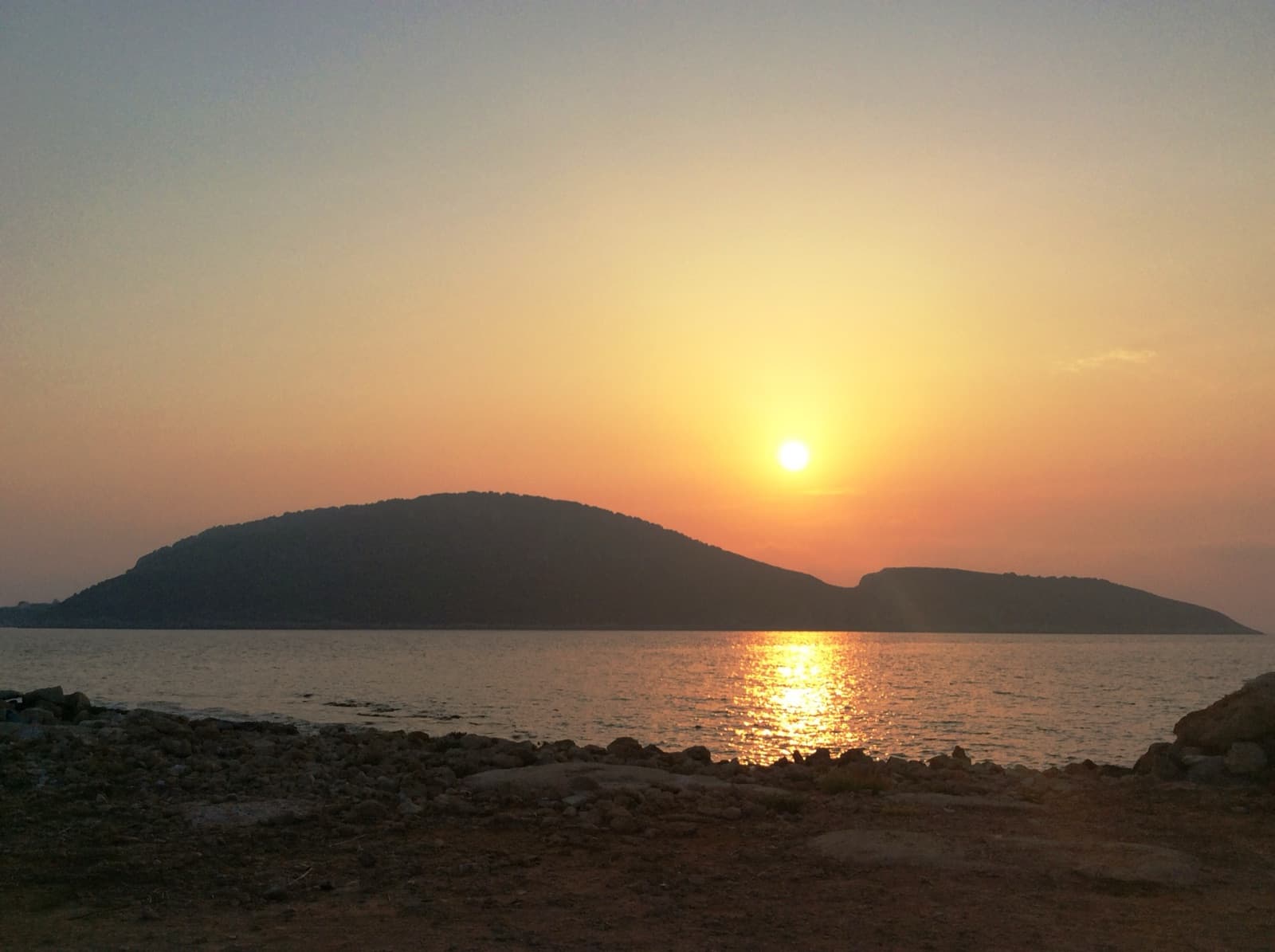
5 Reasons Messinia Beats the Greek Islands for Development
Building moratoriums. Water emergencies. Six-month closures. Construction cost premiums. The islands have problems the mainland doesn't — and the price gap is 5–20x.
The argument
The Greek islands are the default answer when someone thinks about building a hotel in Greece. Mykonos, Santorini, Crete — they're the brands, the proven markets, the places with the Instagram accounts. But the data tells a different story for developers.
The islands are constrained. The mainland is not. And the Peloponnese coast has the same demand drivers at a fraction of the cost and none of the restrictions.
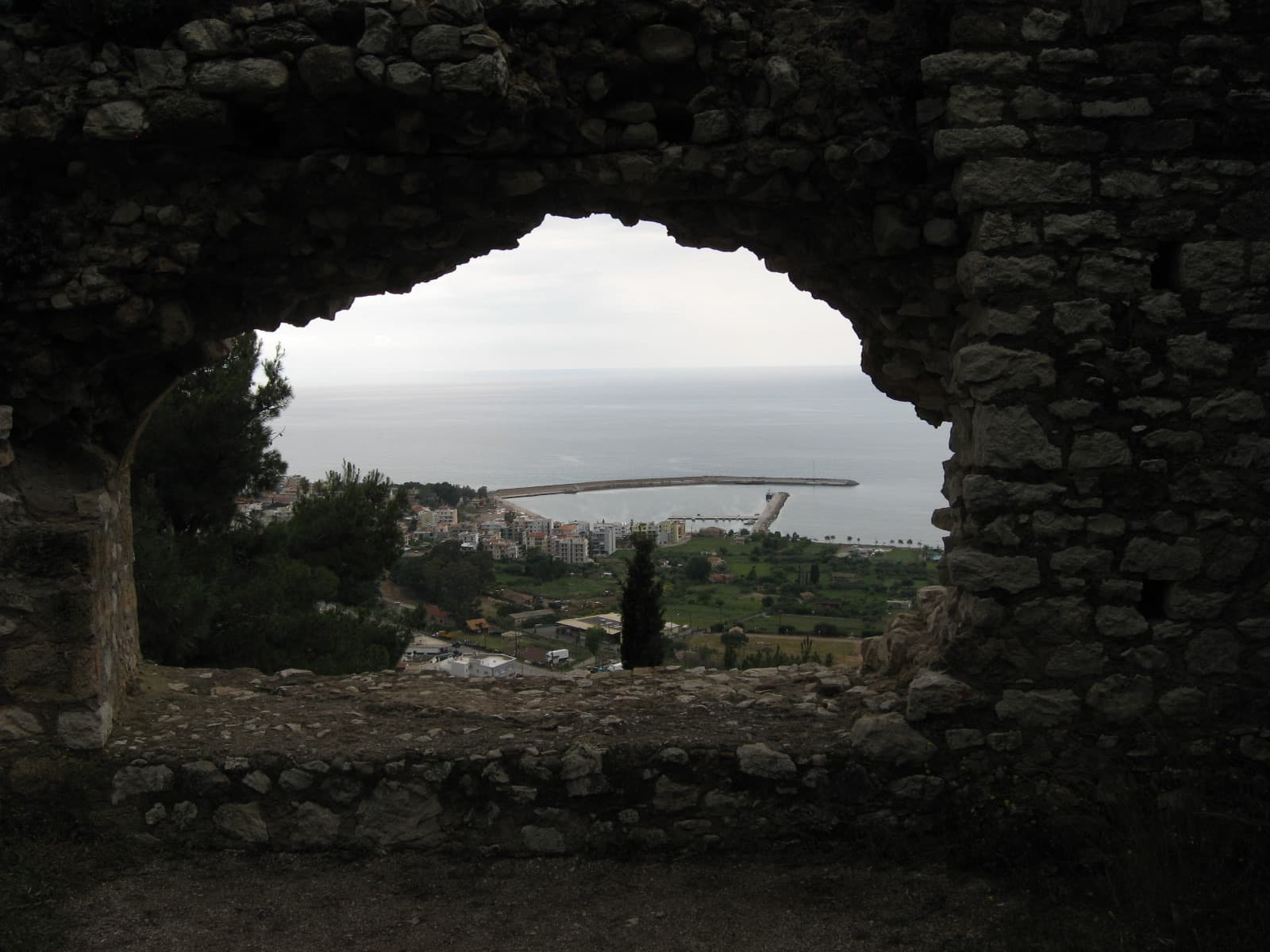
No building moratorium
The islands are locked. The mainland is open.
Greece froze building permits on Mykonos through the end of 2026. Santorini is banning new hotel builds entirely — tripling the required spacing between tourist facilities from 10 to 30 acres. Both islands are cracking down on illegal construction after a 2023 scandal involving an attack on an archaeologist who exposed unauthorised developments.
The freeze covers all forms of building activity — from pre-approvals to full construction permits. If you want to build a hotel on Mykonos or Santorini in 2026, you can't.
The Peloponnese has zero building restrictions. Messinia's coast — including plots with full forestry, archaeological, and coastal clearances — is developable now. No moratorium. No freeze. No waiting for a Special Urban Plan to be finalised.
Half the construction cost
No ferries. No premiums. Road access to every supplier.
Building on a Greek island adds 15–25% to baseline construction costs. Every bag of cement, every steel beam, every tile arrives by ferry. Skilled labour is scarce and seasonal. Workers need accommodation. Schedules are at the mercy of weather and ferry timetables.
On the Peloponnese mainland, materials arrive by truck. Kalamata — with its suppliers, contractors, and building merchants — is 55 minutes from the Messinian coast. The A7 motorway connects to Athens in under 3 hours. Costa Navarino's own supply chain has already developed the local contractor ecosystem.
For a 30-room boutique hotel, the construction cost differential between an island and the Messinian mainland is measured in hundreds of thousands of euros. That's before you factor in the government grants — up to 55% of eligible construction costs — that apply in the Peloponnese's favourable incentive zone.
Year-round operation
Surf season is winter. The islands close for winter.
Most Greek island hotels open in April and close at the end of October. Small beach islands effectively shut down from November to March — reduced ferry services, closed restaurants, skeletal facilities. Seasonal employment accounts for up to 25% of total jobs in peak months, then collapses.
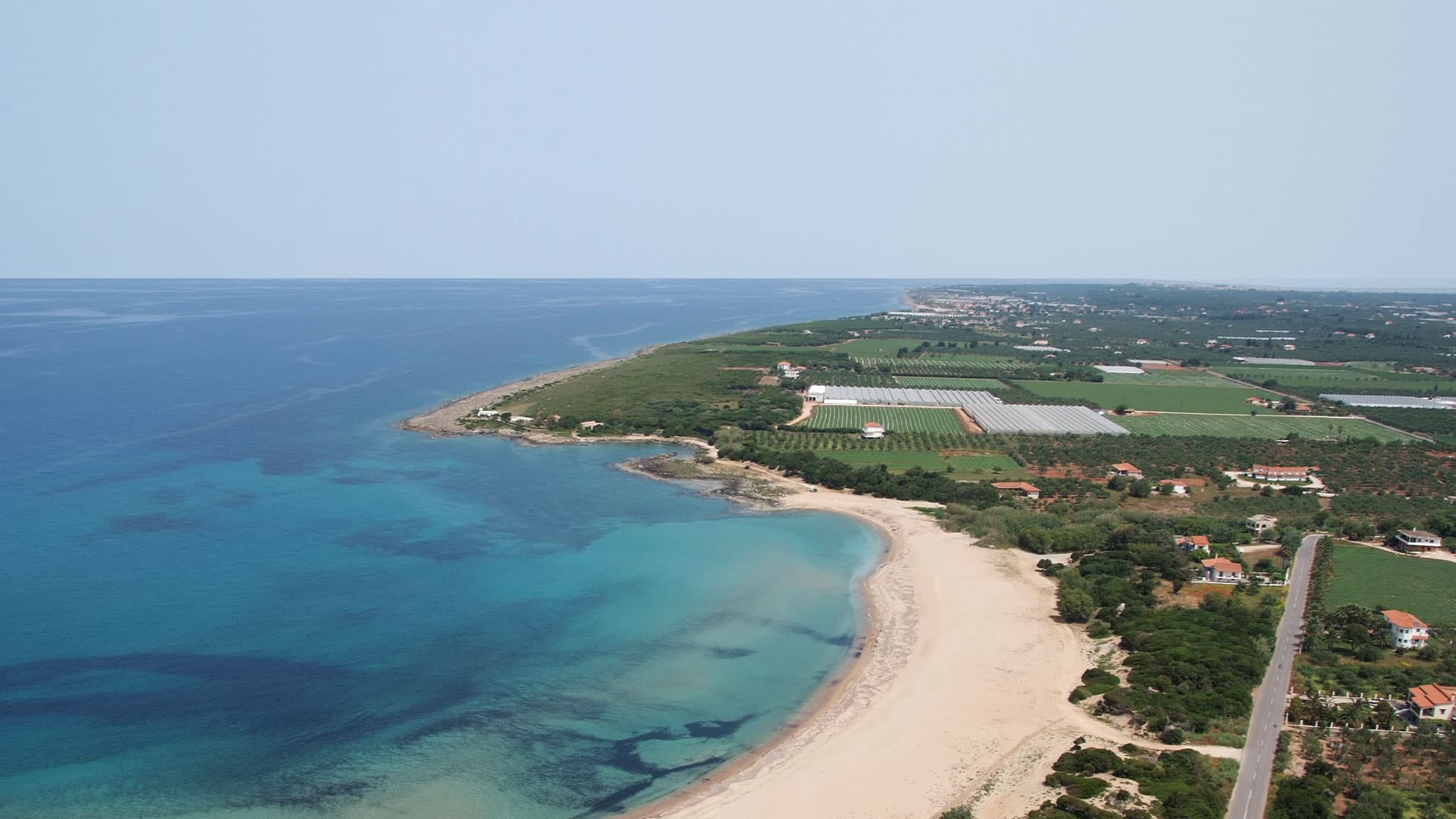
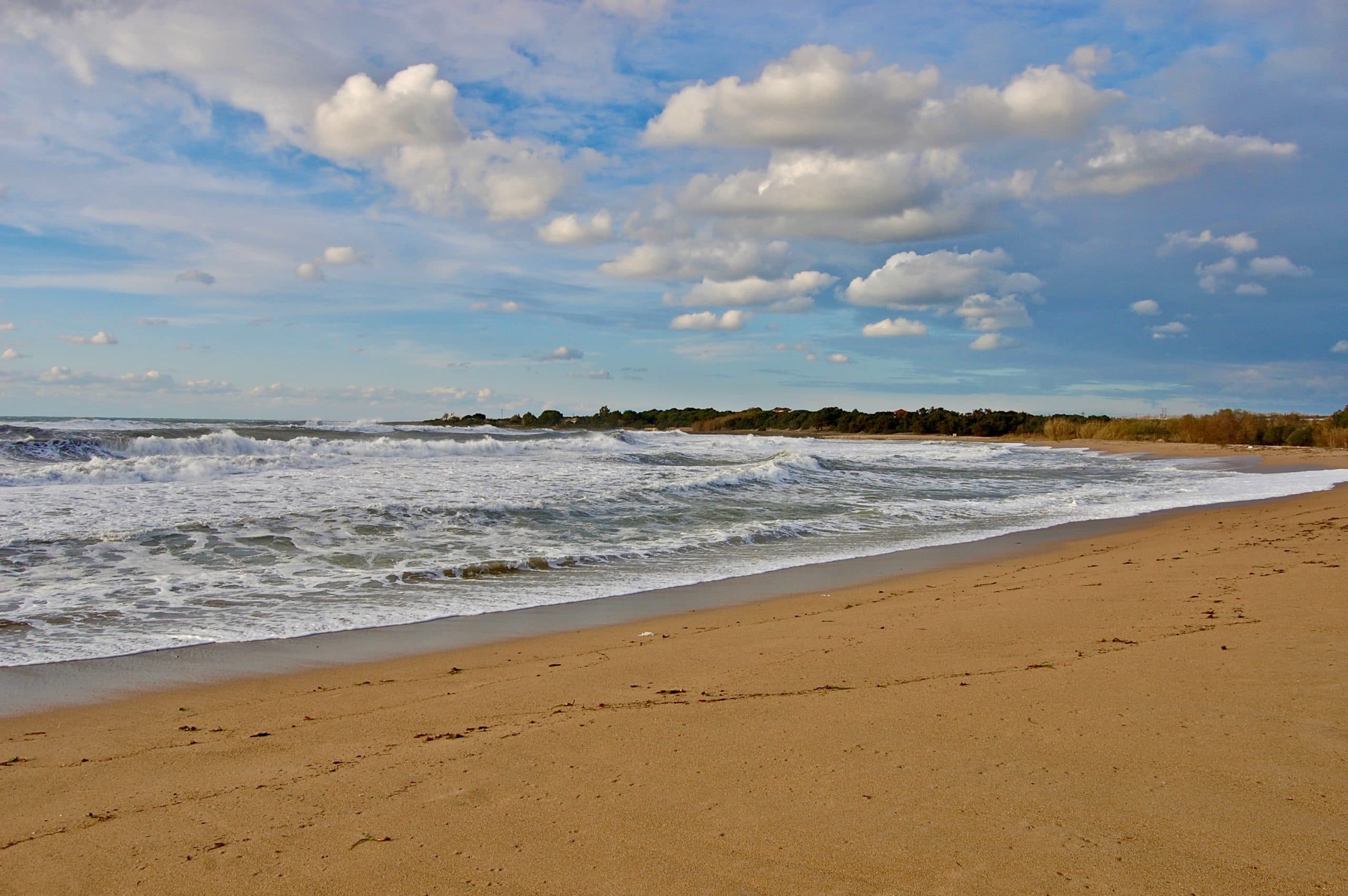
The western Peloponnese has a structural advantage no island can match: surf season runs November to March — the exact inverse of swim season. Lagouvardos, Greece's premier surf beach, gets its best waves in winter. The region is accessible year-round by road. Kalamata's mild winters stay in the early teens.
A hotel on the Messinian coast can operate 12 months. Swim and beach tourism from May to October. Surf, wellness, hiking, and cultural tourism from November to April. No other Greek coastal location offers this dual-season economics. For a developer modelling occupancy, this isn't a marginal advantage — it doubles the revenue window.
No water crisis
Islands are rationing. The mainland has rivers.
Greece declared a state of water emergency on multiple islands in 2025 — Patmos, Leros, Sifnos, parts of Crete. Santorini's water consumption has doubled since 2020. The largest reservoir on Naxos dried up. Seawater intrusion is damaging farmland. Santorini's 15,000 residents host up to 17,000 daily visitors in summer.
The response has been emergency measures: Santorini capped daily cruise arrivals at 8,000. Naxos implemented a three-day maximum stay in August. Mykonos introduced electronic tourist passes to monitor water consumption. Greek islands need an estimated €35 billion in infrastructure investment over the next decade.
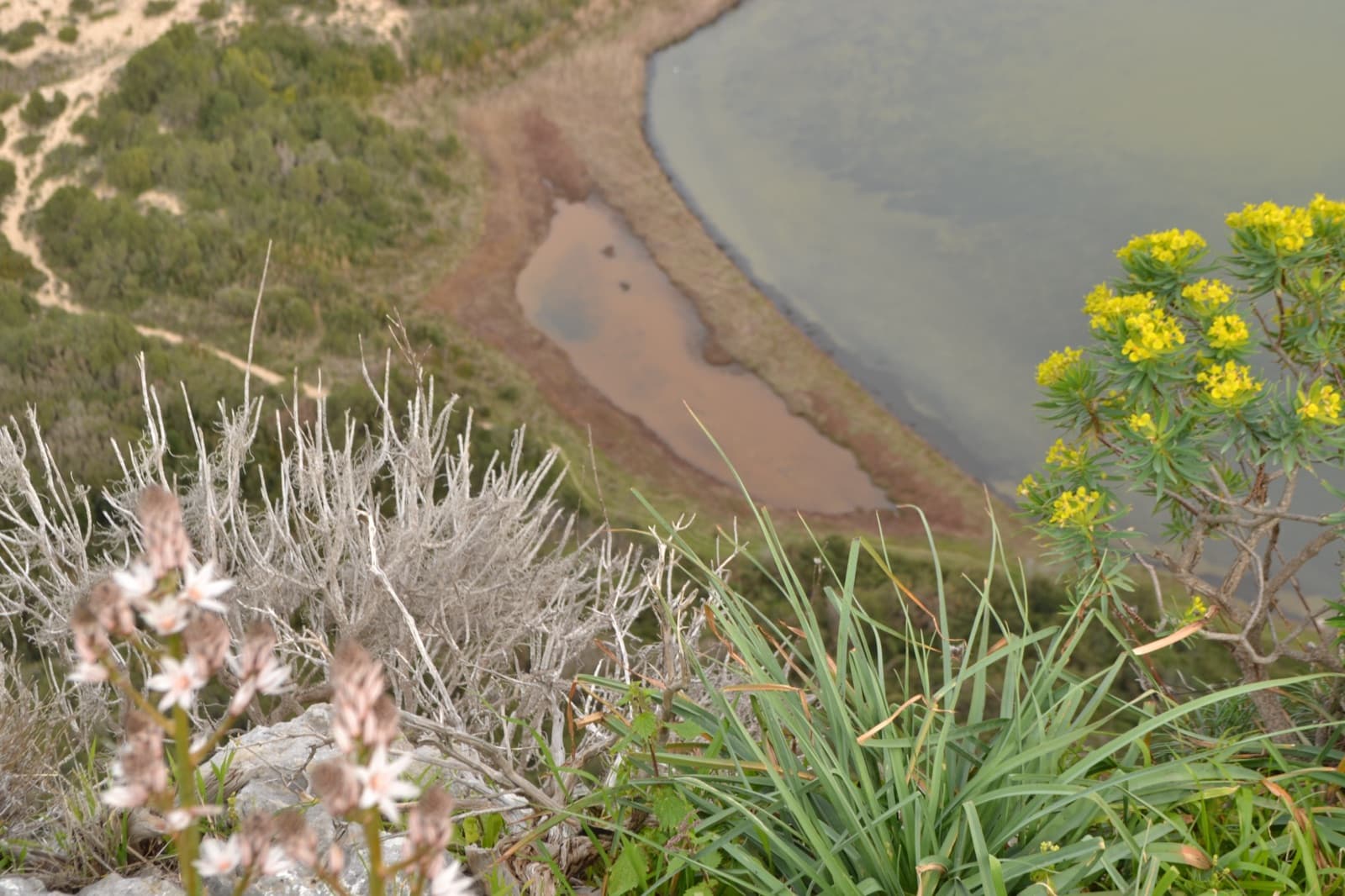
The Peloponnese mainland has rivers, aquifers, and no water emergency. Messinia's agricultural heritage — fifteen million olive trees — exists because the water is abundant. A hotel developer on the mainland doesn't need to budget for desalination plants, water tanker deliveries, or usage restrictions.
Land at 5–20x lower price
Same country. Same Golden Visa. Fraction of the cost.
The numbers speak for themselves. Mykonos sea-view property trades at €10,000–18,000/sqm. Santorini commands €7,000–15,000/sqm in prime locations. Even Crete's prime coastal areas run €1,500–3,000/sqm.
The Peloponnese averages €1,679/sqm — and the undeveloped Messinian coast runs €500–1,500/sqm. That's 5–20x cheaper than the islands for comparable beachfront quality. And the Golden Visa threshold is €400,000 in the Peloponnese vs €800,000 on the major islands.
The islands are expensive because they're discovered. The Peloponnese is affordable because it hasn't been — yet. Costa Navarino has invested €2.5 billion 10 km south. Four Seasons, Six Senses, and Waldorf Astoria are building across the peninsula. Kalamata Airport is tripling its terminal. The infrastructure thesis is identical to the islands at one-fifth the entry price.
Same country, different universe
The islands are the past. The mainland is the opportunity.
The Greek islands built the country's tourism brand. No one disputes that. But for a developer evaluating where to build in 2026, the islands present a constrained, expensive, and increasingly regulated environment — while the Peloponnese mainland offers the same demand drivers with none of the friction.
Costa Navarino proved the demand — 80%+ occupancy, four five-star hotels, €2.5 billion invested. The pipeline is expanding with Navarino Hills, Navarino Blue, and the Pylos Marina. Institutional capital is flowing in. The airport is tripling to 700,000 passengers. Foreign investors are arriving.
What doesn't exist yet is the boutique layer. No surf lodge. No eco-retreat. No wellness hotel. The first operator to build on this coast will have no competition in 100 km — on land at €500–1,500/sqm, with up to 55% government subsidies, year-round operating potential, no building restrictions, and abundant water.
The islands are where Greek tourism was built. The mainland is where it's going.
Related research
The Undeveloped Coast
44 km of sand, zero hotels, and 15 minutes from a billion-euro resort
Greece's Next Surf Mecca
Why Lagouvardos is the best wave in the Mediterranean nobody knows about
Land Prices in Messinia
What beachfront costs today — and what comparable coasts cost after discovery
Three Clearances
Forestry, archaeological, and coastal — the permits that take years to earn
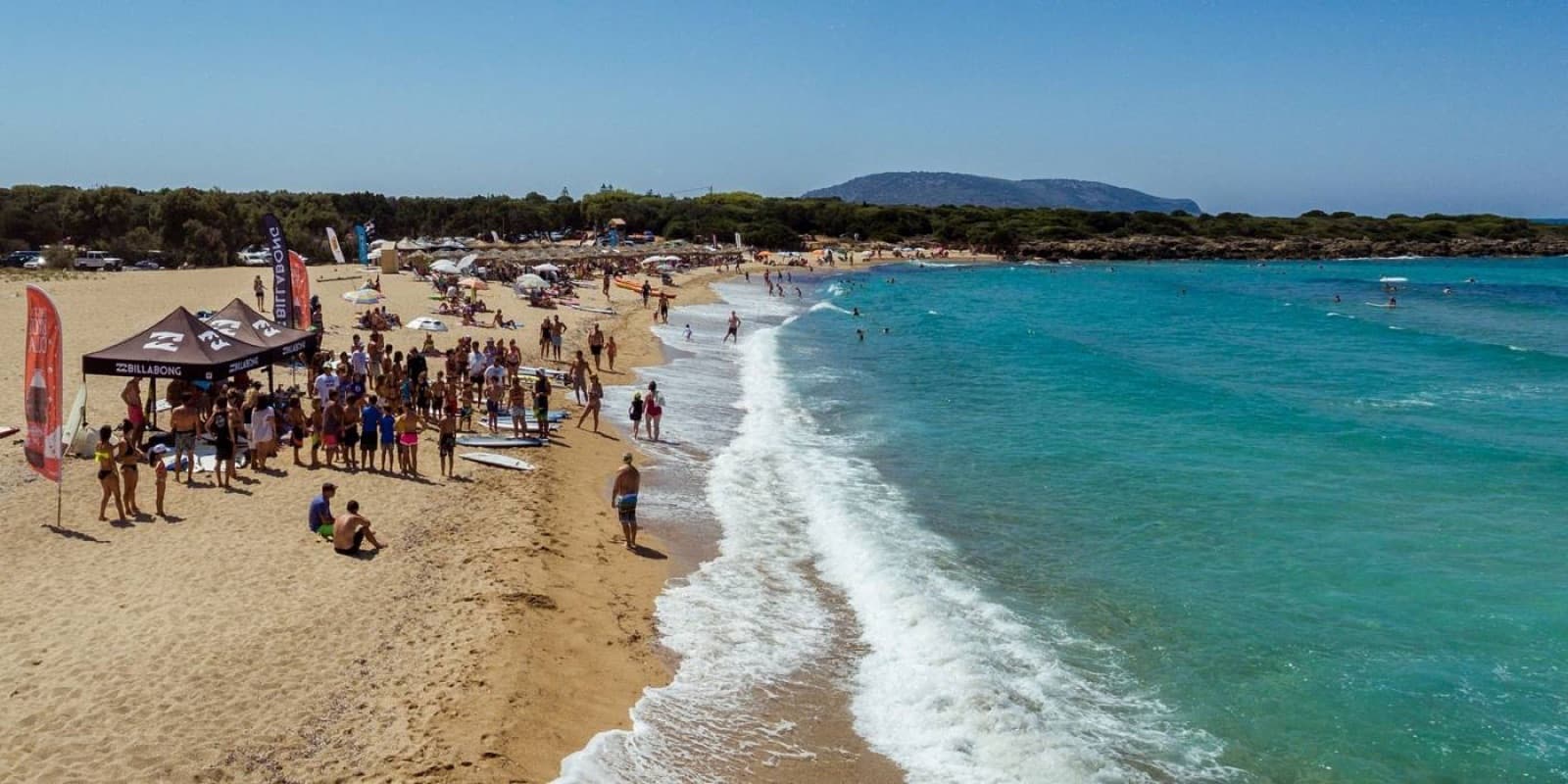
20,404 sqm of beachfront on the mainland coast. No moratorium. No water crisis. All clearances verified.
Lagouvardos, Messinia. The Peloponnese advantage in one plot.