
What’s your vision?
20,000 m² of beachfront on Greece’s last undeveloped coast. What would you build?
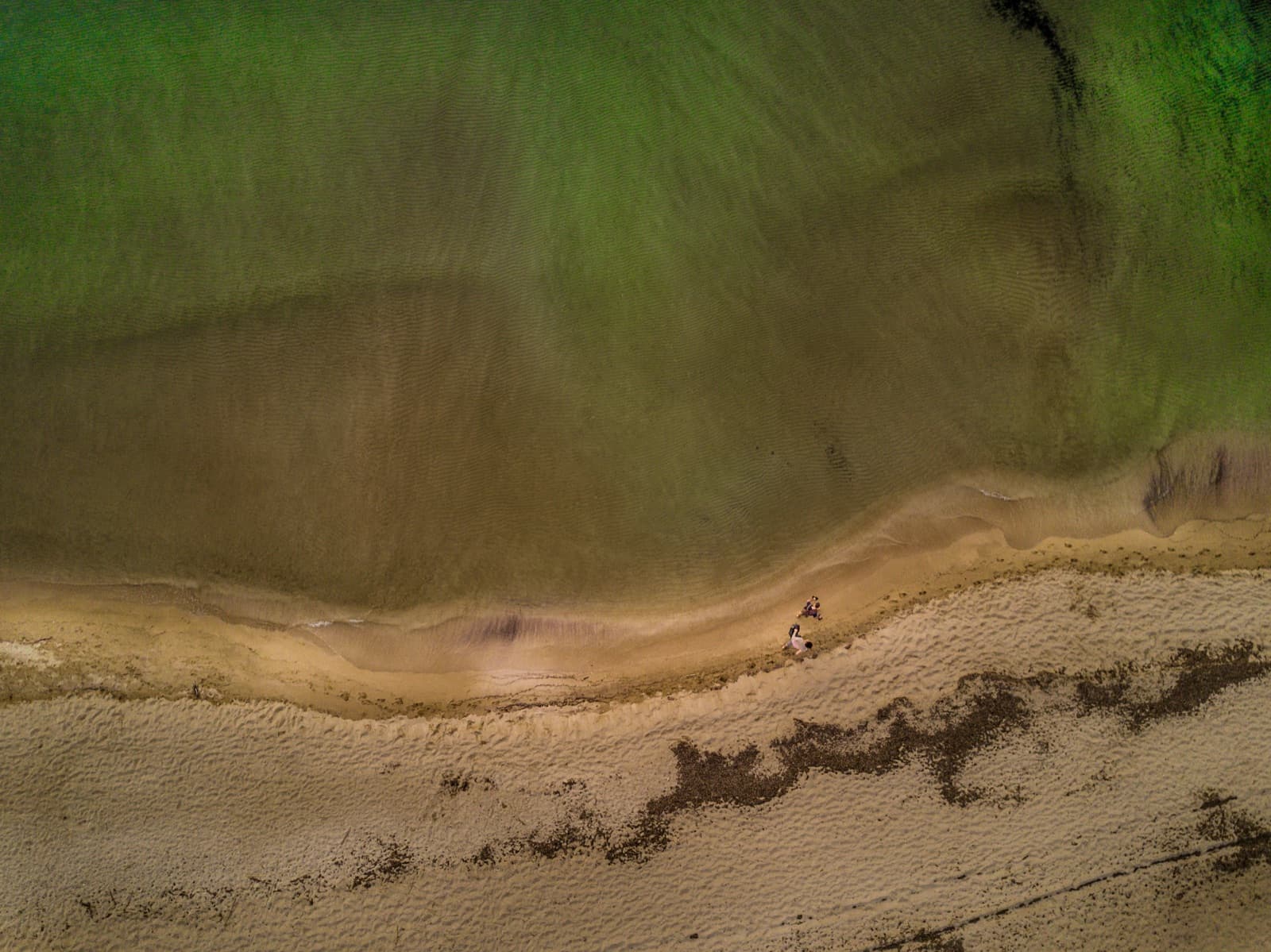
The Odyssey Trail
Matt Damon, Tom Holland, Zendaya, Anne Hathaway, Robert Pattinson, and Charlize Theron. Filmed on IMAX 70mm across the Messinian coast — every location within an hour of Lagouvardos.
In theatres July 17, 2026
Nolan chose this coast
Christopher Nolan brought the most expensive film ever madeto the actual landscapes Homer described. Not a soundstage, not CGI, not a substitute location. Methoni Castle, Voidokilia Beach, the caves above the bay. The cast stayed at Costa Navarino, ten kilometres from Lagouvardos.
Messinia has already earned a spot on the New York Times' 52 Best Places to Go list, partly because of the film. Travel analysts are calling it a “White Lotus effect” in waiting. The pattern is well-documented: Mamma Mia put Skopelos on the map. The White Lotus transformed Sicily overnight. Captain Corelli's Mandolin made Kefalonia a household name.
The world is about to discover this coast.
The Odyssey
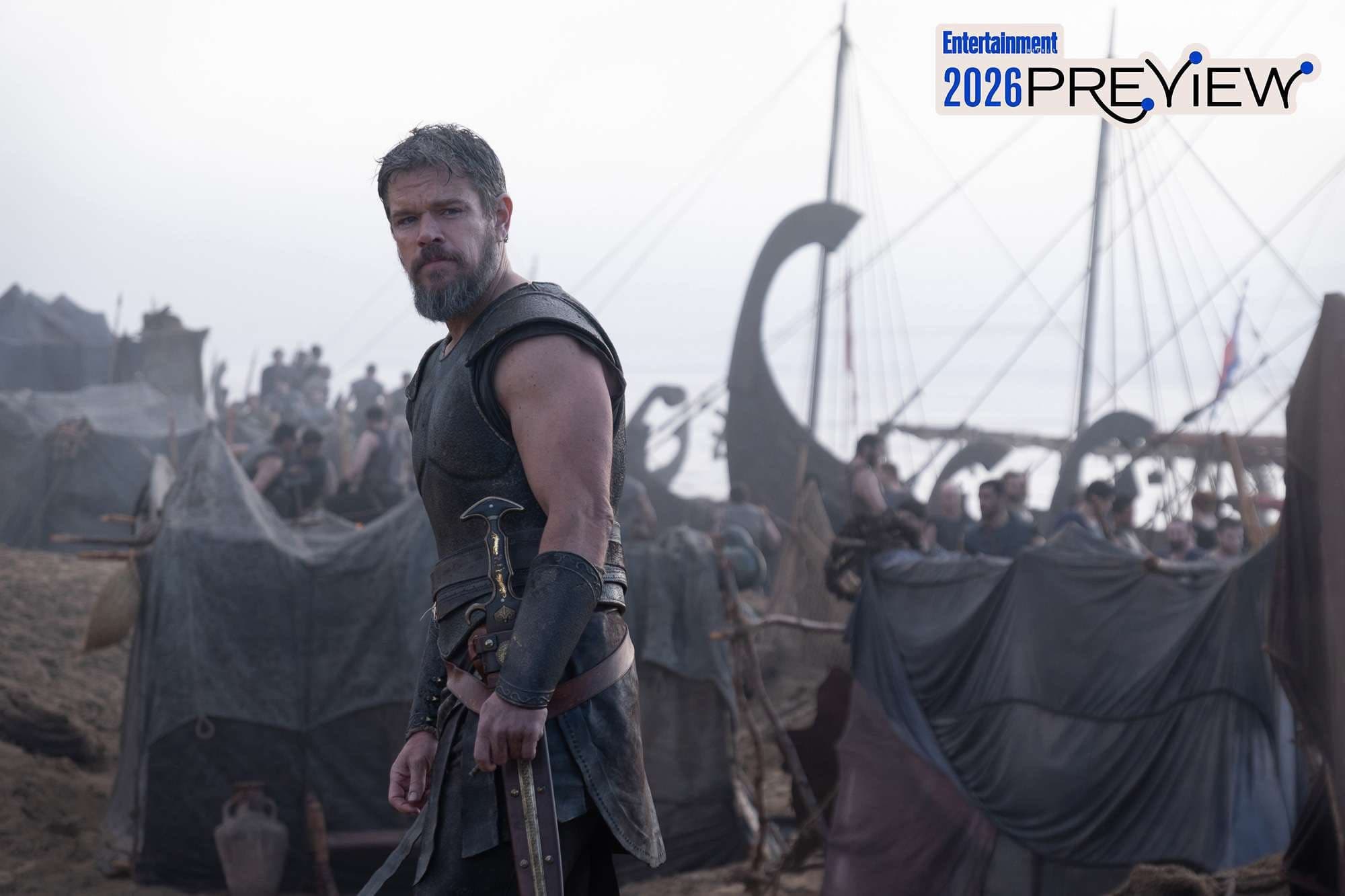
Matt Damon as Odysseus
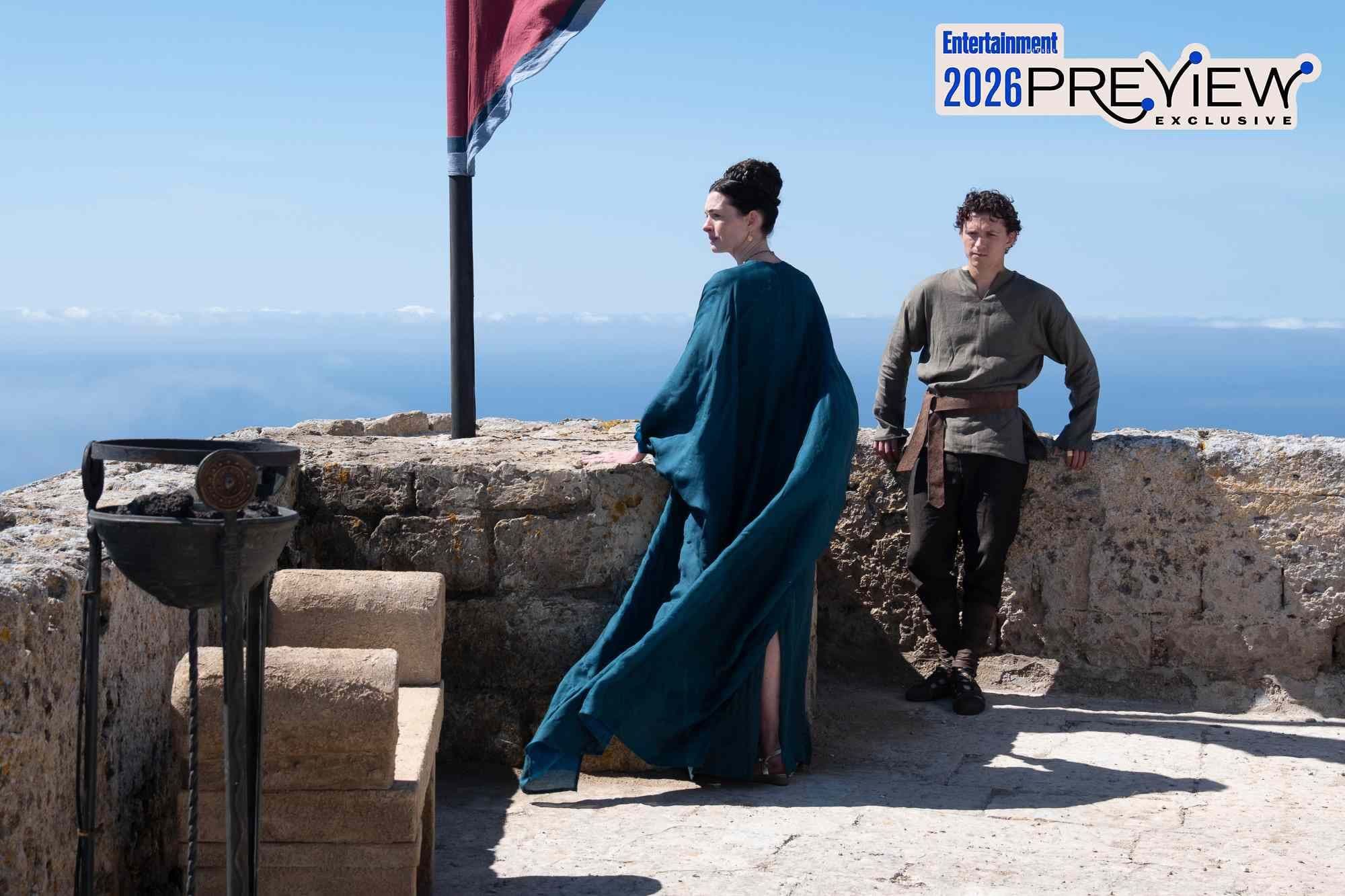
Hathaway & Holland as Penelope & Telemachus
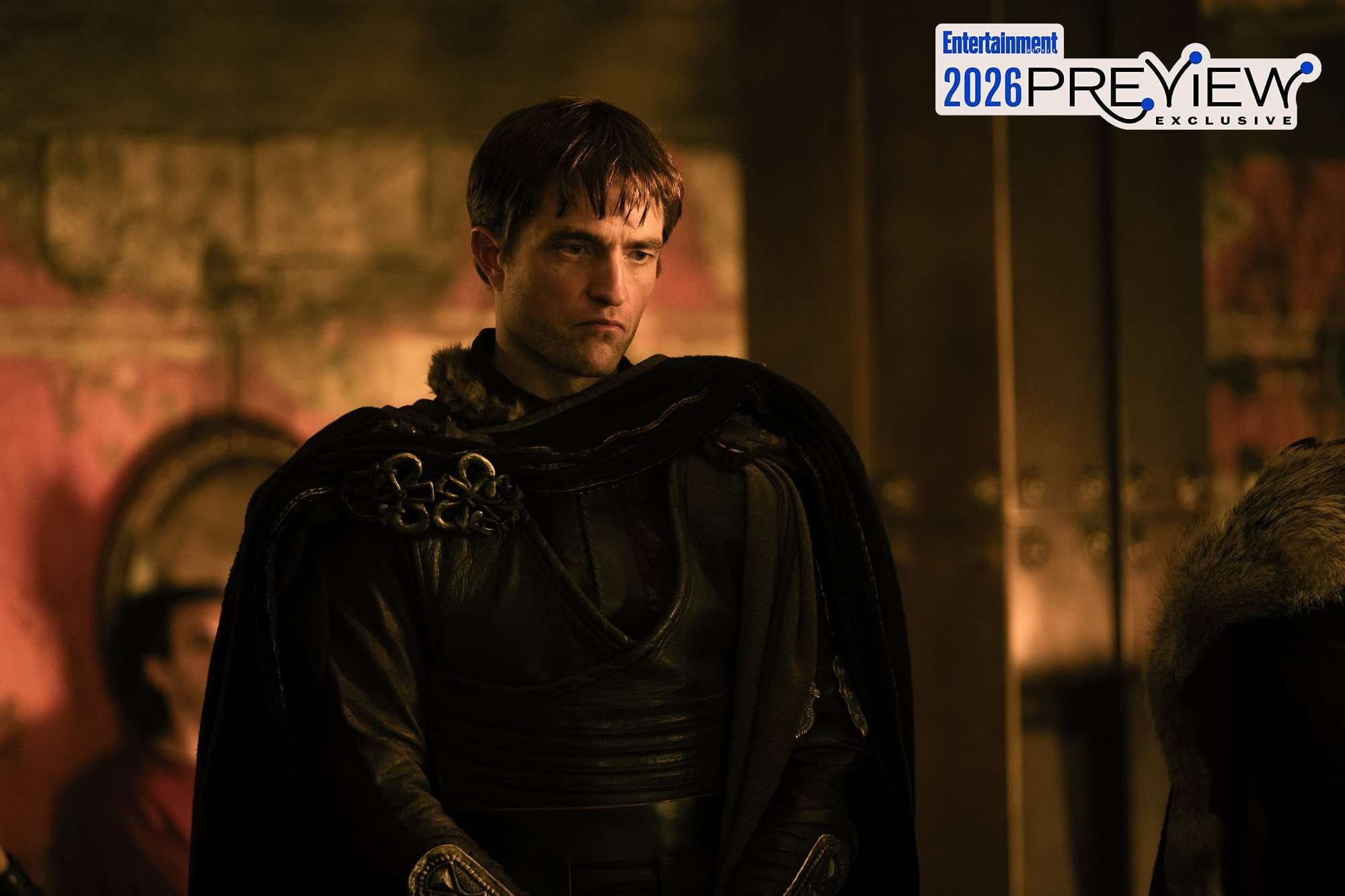
Robert Pattinson as Antinous
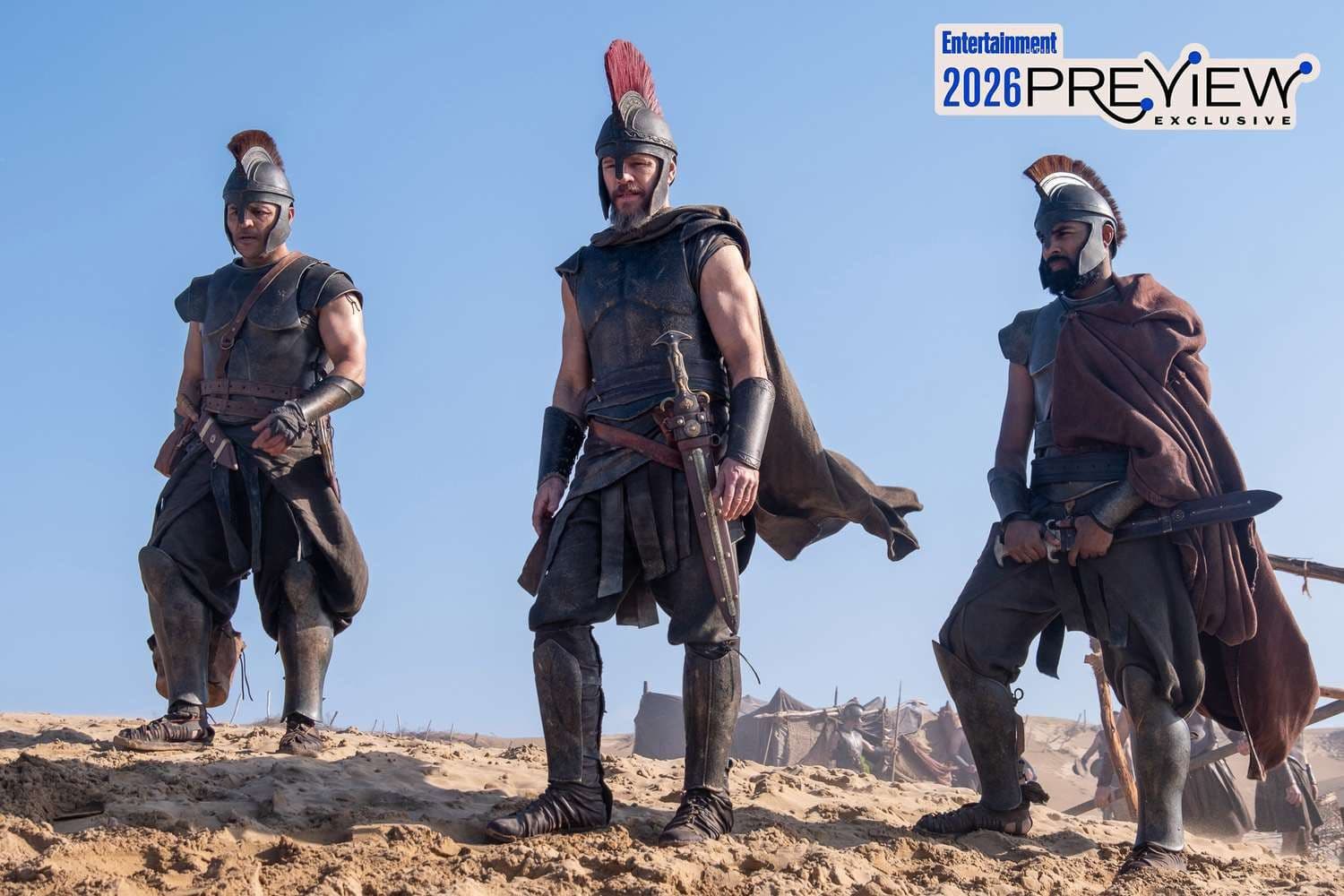
Damon & Patel — Odysseus & Eurylochus
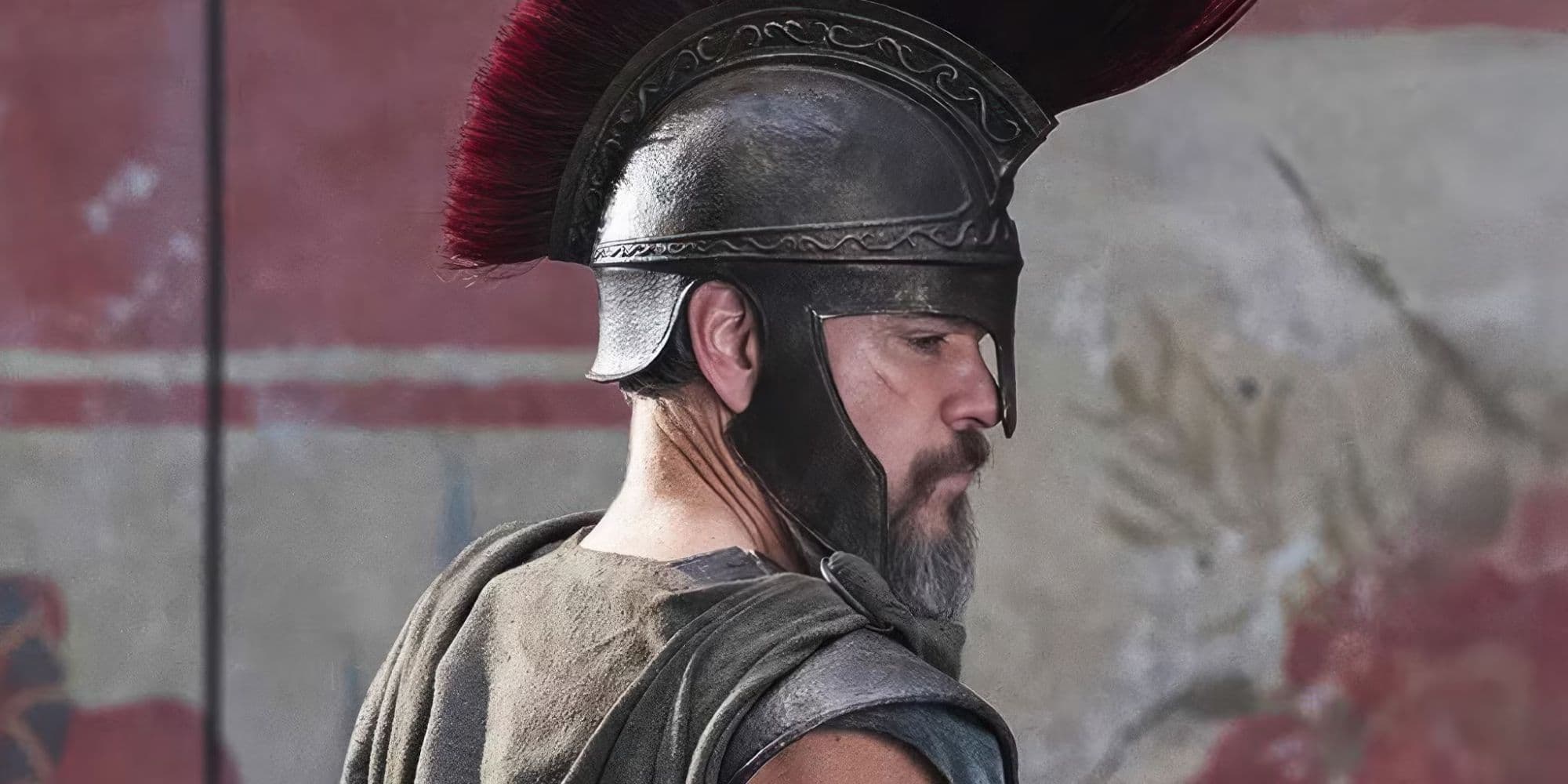
Odysseus in armor
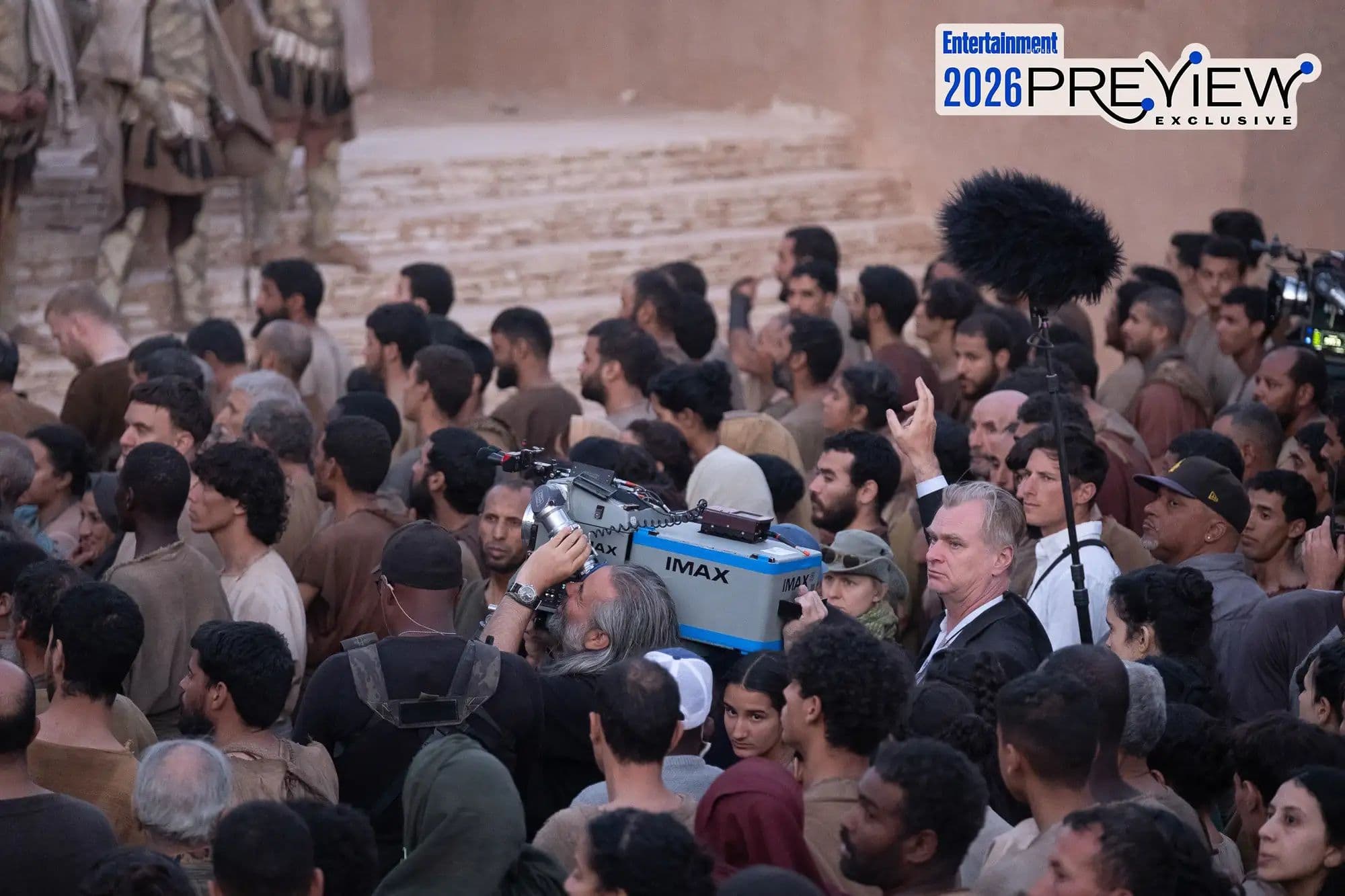
Nolan directing on location
This is Odysseus's coast
The western Peloponnese isn't just a backdrop for the Odyssey. It's where the story happened. Nestor, king of Pylos and the wisest of the Greek commanders at Troy, ruled this coastline. His palace -- the best-preserved Mycenaean palace ever found -- sits 25 minutes from Lagouvardos.
When Odysseus had been missing for twenty years, his son Telemachus sailed to Pylos to find answers. Nestor received him on the beach with a feast of eighty-one bulls. The caves above the bay sheltered herds of the gods. The sand Telemachus walked is the same sand that stretches along this coast today.
The Odyssey is not an abstraction here. It's geography. Every headland, every bay, every ruin carries the weight of the poem. And now the world is about to see it through a different lens.
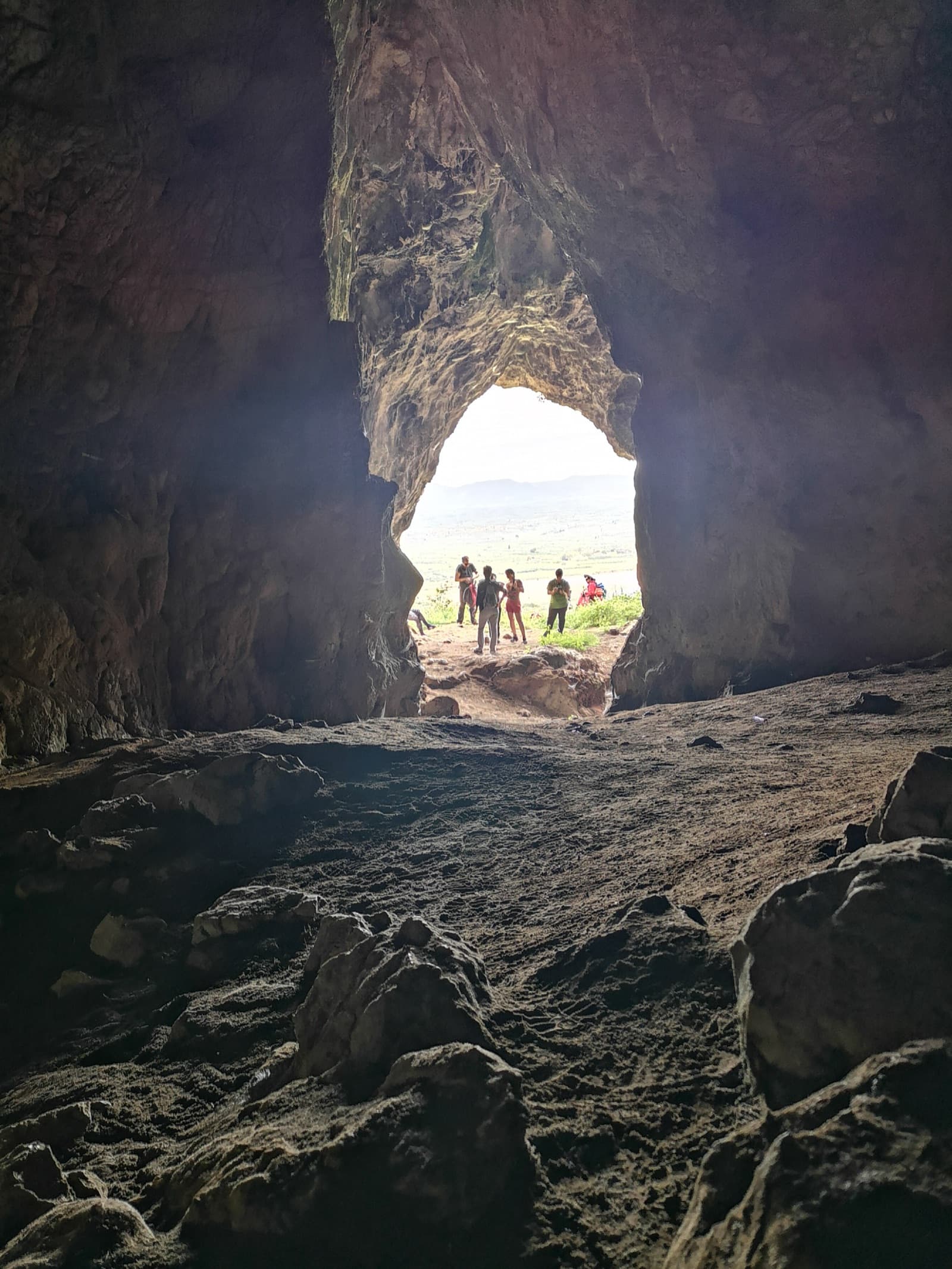
The trail
Six sites within an hour of Lagouvardos. From Bronze Age palaces to Venetian fortresses, from mythological caves to uninhabited islands. Each one a chapter in the same story.
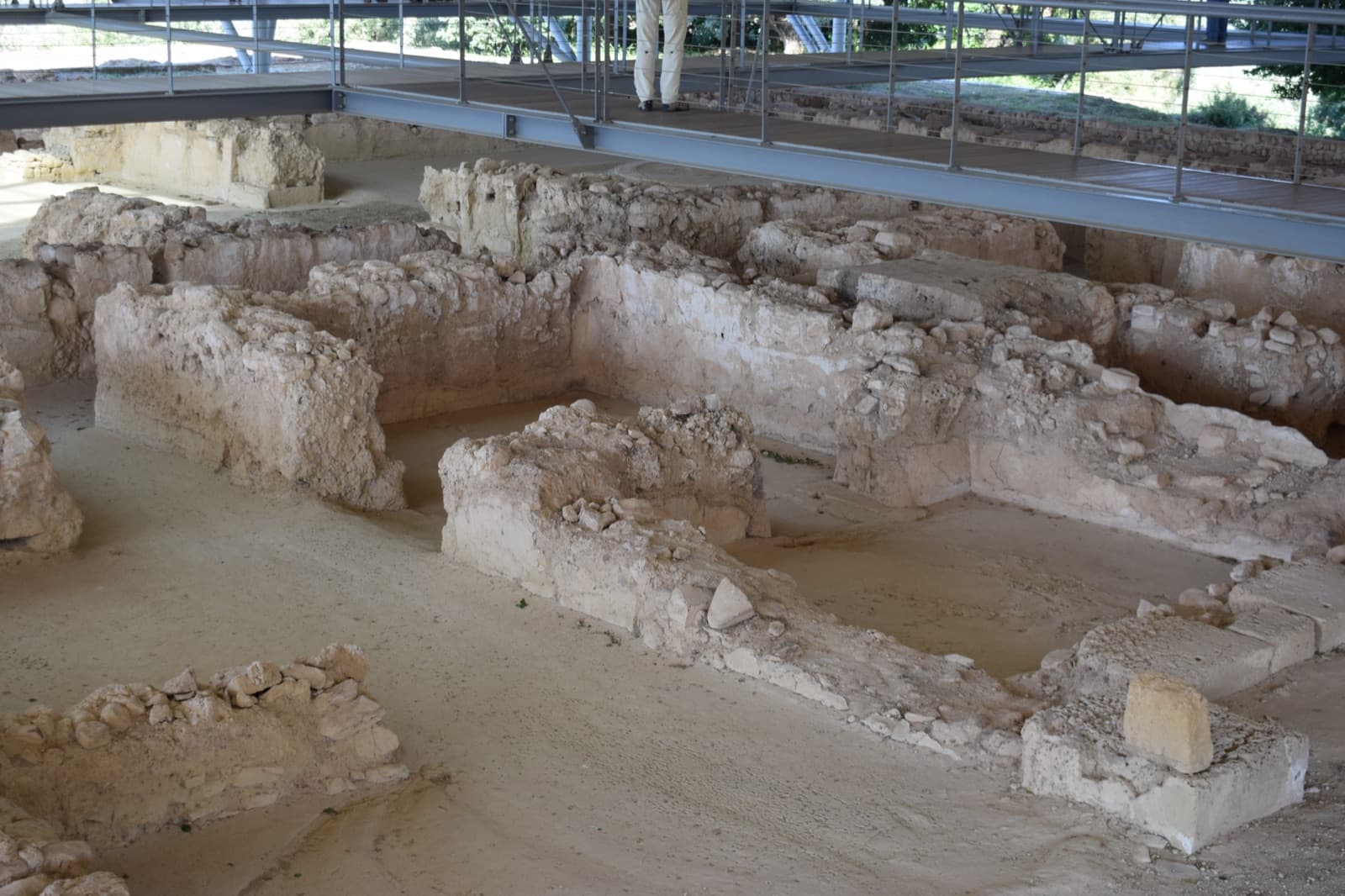
Nestor's Palace
Telemachus, son of Odysseus, sailed here seeking news of his missing father. King Nestor, the wise ruler of "sandy Pylos" and veteran of Troy, welcomed him with a feast on the beach and stories of the war. It is in Nestor's megaron that the Odyssey's search truly begins.
The best-preserved Mycenaean palace ever discovered. Over 100 chambers across two storeys, with a central throne room whose painted floor is still visible after 3,200 years. More than 1,100 Linear B clay tablets -- the earliest known Greek writing -- were found here. A modern museum at the site houses the finds.
Nestor's Cave
Mythology has layered this cave with two stories. In one, the infant god Hermes hid the cattle he stole from Apollo inside. In another, King Nestor himself sheltered his herds here. The cave sits on the ridge above Voidokilia, connecting sky, sea, and the underworld -- a threshold between the mortal and the divine.
A large natural cavern perched above the northern end of Voidokilia beach. The hike up takes 15-20 minutes on a rocky trail. Inside, the cave is cool and opens to a sweeping view of the omega-shaped bay below. Archaeological finds date to the Neolithic period.
Voidokilia Beach
The perfectly circular bay that Homer may have meant when he described the sandy shores of Pylos. Its name means "ox belly" in Greek -- a reference to the shape, and perhaps to Hermes' stolen cattle grazing above. This is where the ancient world met the sea, and where Nolan brought his cameras in 2024.
A flawless omega-shaped bay of fine white sand enclosed by dunes and scrubland. No sunbeds, no bars, no development. Shallow turquoise water. One of the most photographed beaches in Greece, yet still uncrowded outside of August. A confirmed filming location for Nolan's The Odyssey.
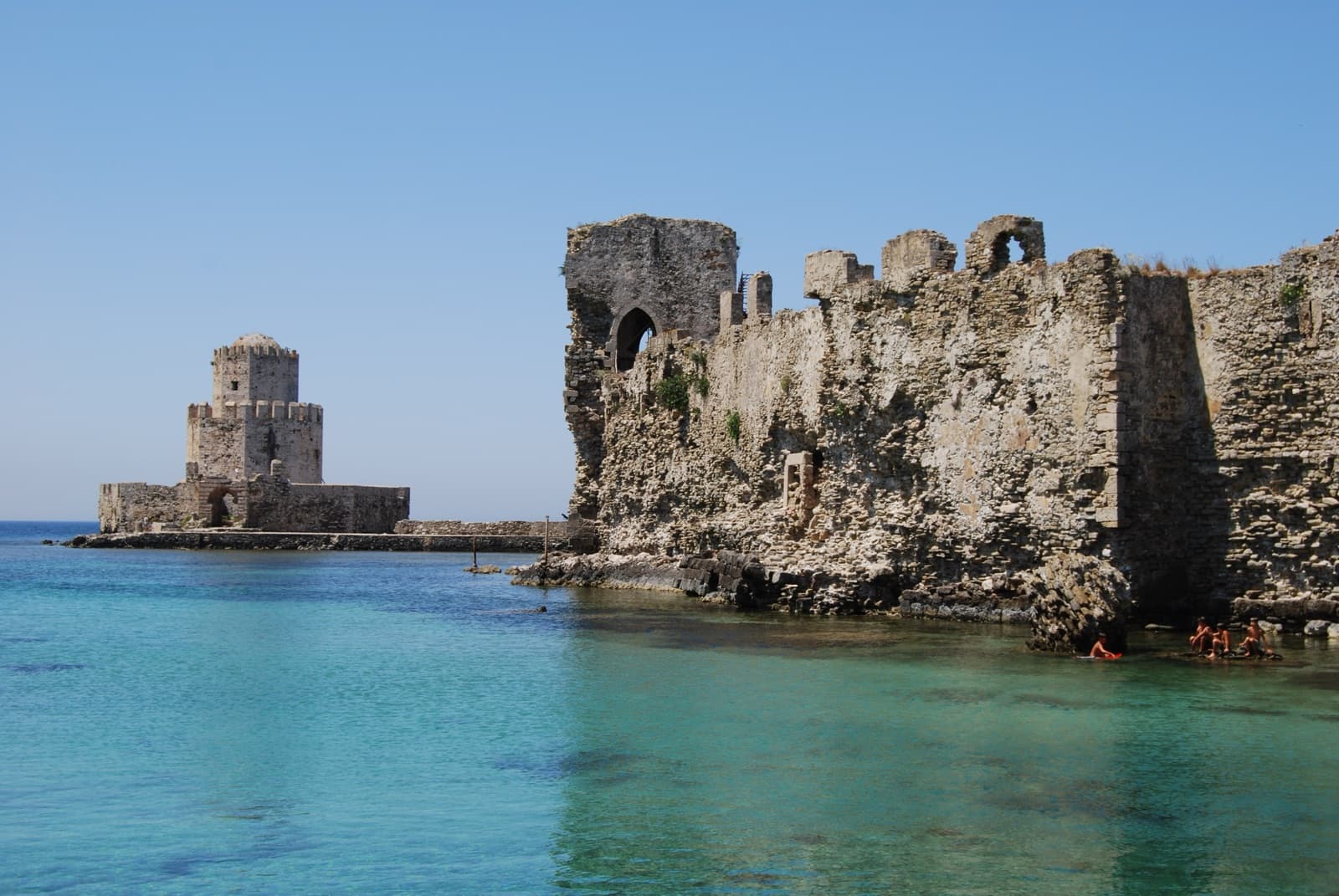
Methoni Castle
The Venetians called it "the eye of Venice" -- their most important fortress in the eastern Mediterranean. But the site's history reaches back further. Homer mentions Methoni's harbor. The fortress sits on land that has been fortified since the Bronze Age, guarding the sea route between the Adriatic and the Aegean.
A massive Venetian sea fortress jutting into the Ionian on three sides, connected to land by a single bridge. The iconic octagonal Bourtzi tower stands in the water at the southern tip. Walk the ramparts, explore the vaulted chambers, watch the sunset from the seawall. A confirmed filming location for Nolan's The Odyssey.
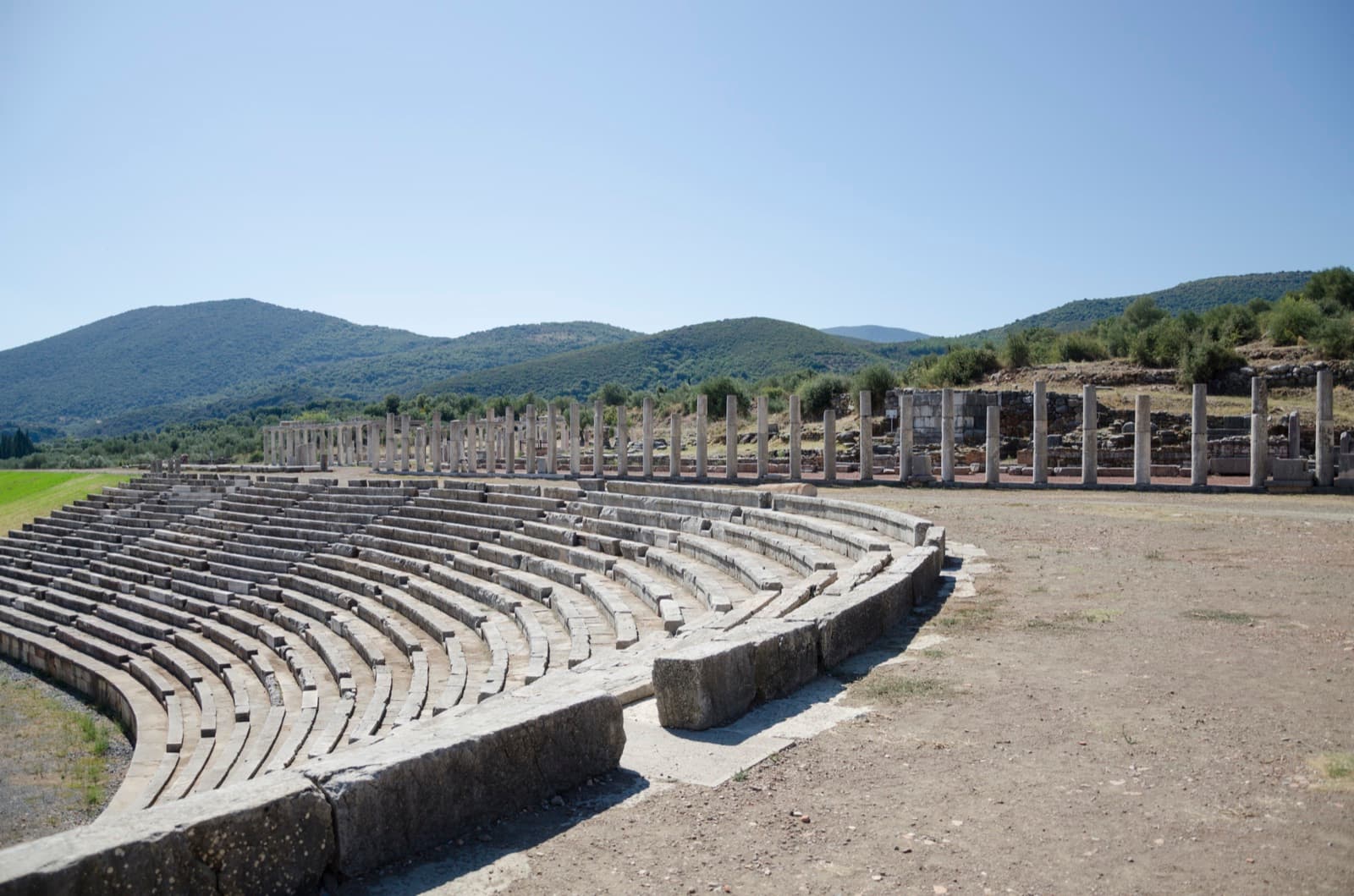
Ancient Messene
Founded in 369 BC after the Messenians finally threw off three centuries of Spartan occupation. The city was built as an act of defiance -- its 9km circuit of walls was the strongest in Greece, designed to ensure that Messenia would never be enslaved again. The freed Helots built a capital worthy of their liberation.
Possibly the most underrated archaeological site in all of Greece. Unlike most ancient cities, Messene was never built over by later civilizations. The stadium, theater, agora, temples, and fortifications remain extraordinarily intact. You can walk the ancient streets and stand in the stadium where athletes competed 2,400 years ago.
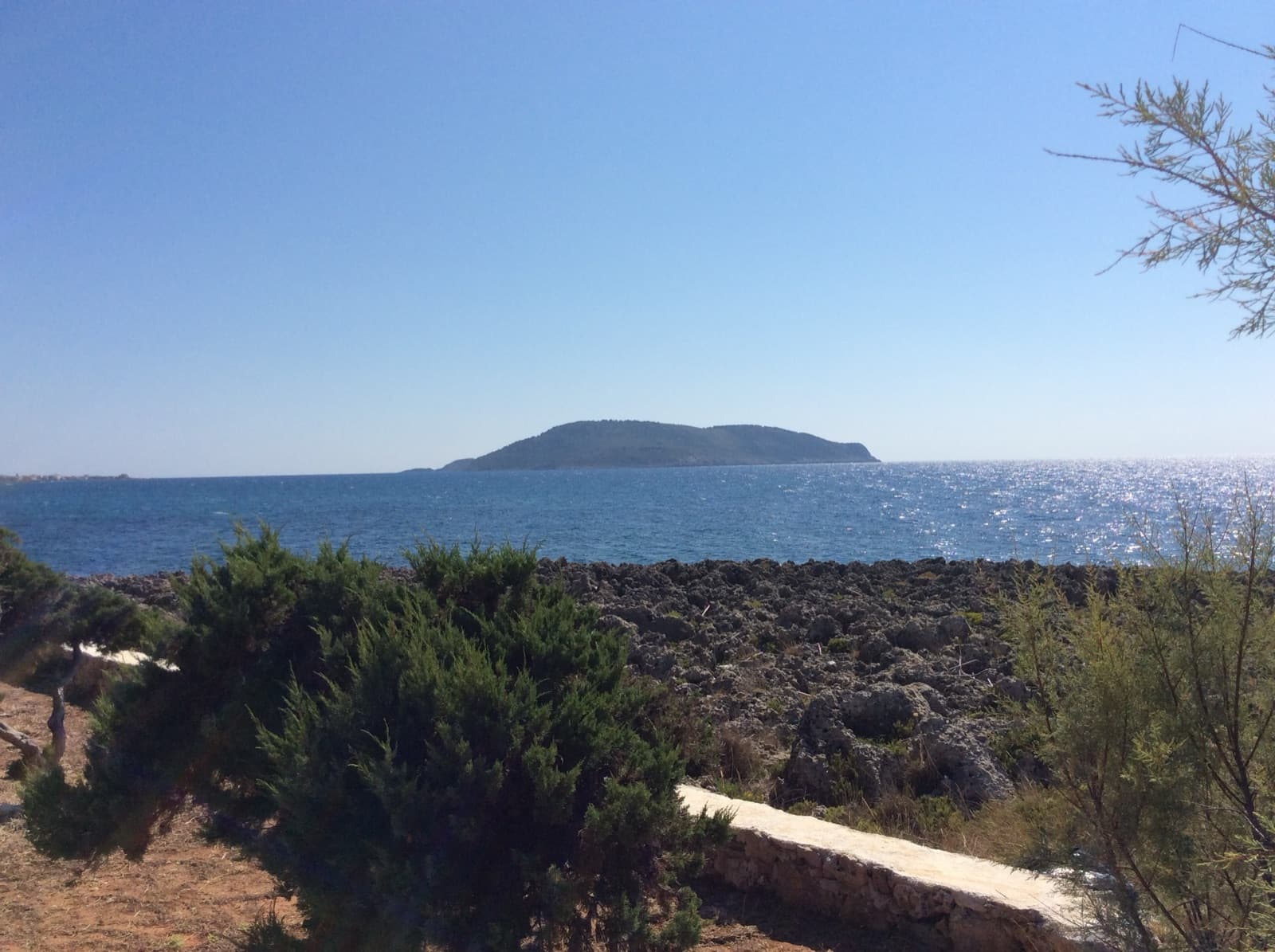
Proti Island
Named for Proteus, the shape-shifting sea god and son of Poseidon. Legend says that when Proteus raged, he transformed into a beast whose body became the island itself -- which is why, seen from the coast, Proti looks like a half-submerged crocodile lying in the Ionian.
An uninhabited island visible from Lagouvardos beach. Mycenaean walls crown the summit. A WWII shipwreck -- the 40-metre Anwar, bombed during the war -- lies in shallow water off the coast, perfect for snorkeling. The island's only beach, Vourlia, has turquoise water and no footprint of civilization.
One base. Six stops. Three thousand years.
Lagouvardos sits at the center of the trail. Every site is reachable in a single day trip -- most in under 30 minutes.
Plan your trail
Lagouvardos sits central to every site on the trail. Use it as your base and you can reach Nestor's Palace in 25 minutes, Methoni in 30, and Ancient Messene in 45. Here are two ways to do it.
One-day odyssey
The mythological highlights in a single day. Beaches, palaces, and a Venetian fortress.
Two-day odyssey
The full trail at a slower pace. Add the island and Greece's most underrated archaeological site.
Related research
The Nolan Effect
How The Odyssey will reshape tourism in Messinia — the data behind the prediction
Best Beaches Near Costa Navarino
10 beaches within 45 minutes — from wild coves to flamingo lagoons
The Undeveloped Coast
44 km of sand, zero hotels, and 15 minutes from a billion-euro resort
The Costa Navarino Effect
How a billion-euro resort transformed a region — and what it means for the coast next door
The Messinian coast has been telling stories for three thousand years.
The next chapter is being written now.
Explore the opportunity