
What’s your vision?
20,000 m² of beachfront on Greece’s last undeveloped coast. What would you build?
The three clearances
Forestry. Archaeology. Coastal. Three separate government authorities must clear your land before you can even apply for a building permit. Most foreign investors discover them one at a time, losing a year at each stage. This guide explains all three so you can run them in parallel.
The mistake
Most investors approach Greek land like they would in the UK, Germany, or the US: find a plot, hire an architect, apply for a permit. In Greece, that's step 6 of an 8-step process. Steps 1-4 are clearing the land through three independent bureaucracies that don't coordinate with each other.
Run them sequentially and you lose 12-24 months. Run them in parallel and you're looking at 3-8 months. The difference is knowing they exist before you start.
Sequential vs parallel: the time difference
The three clearances are independent processes handled by different authorities. There is no requirement to complete one before starting another. Most investors don't know this.
Forestry
Dasarchio (Δασαρχείο) · Δασική Υπηρεσία
The Forestry Authority must certify that your plot is not classified as forest or forest land. Approximately 60% of Greece is now classified as forestry land under the national forest maps (dasikoi chartes). If your land has the wrong classification, you cannot build — and the Greek Constitution says land classified as forest can never change its status, even if every tree has been gone for decades.
How it works
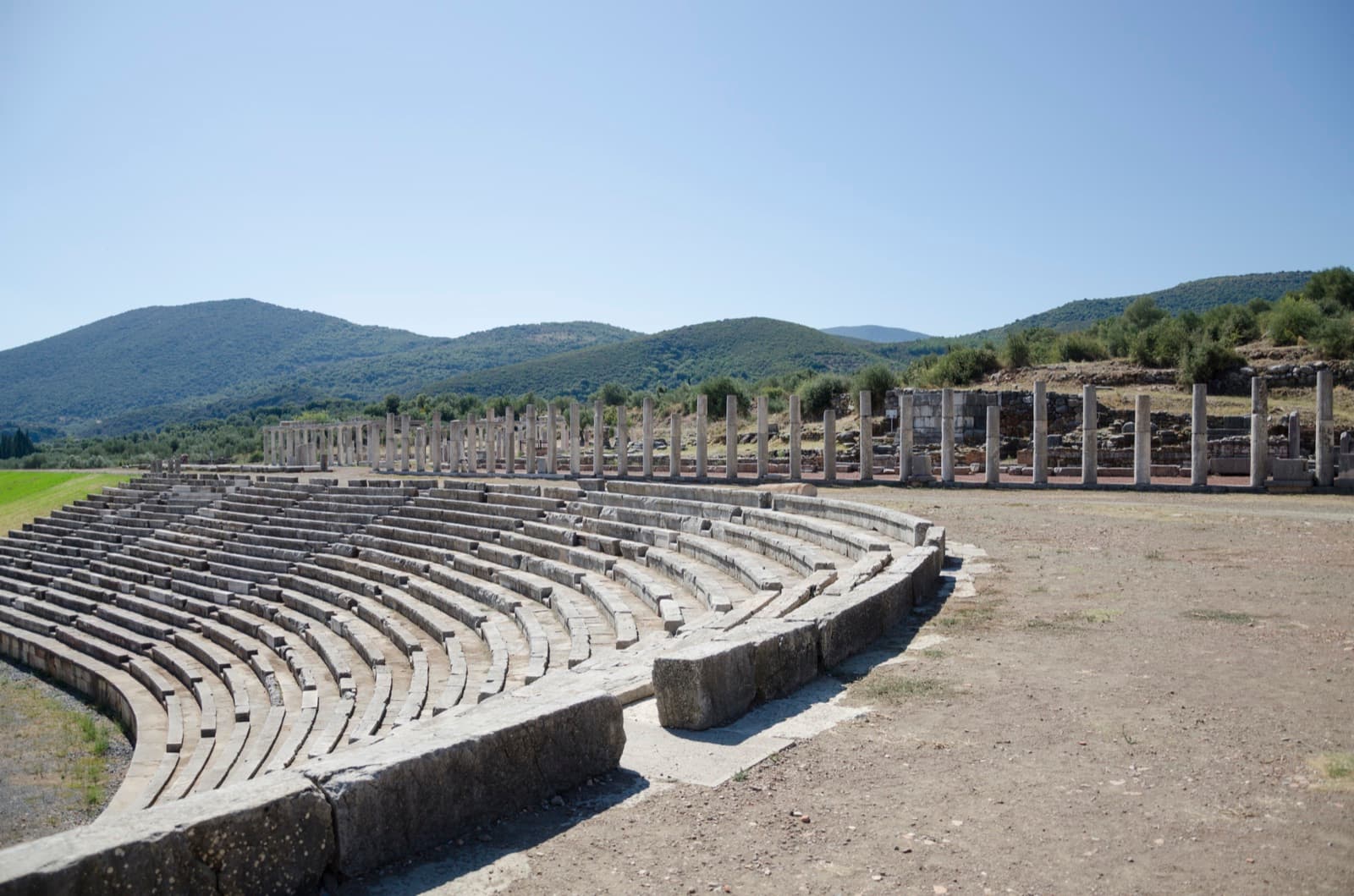
Archaeological
Eforia Archaiotiton (Εφορεία Αρχαιοτήτων) · Εφορεία Αρχαιοτήτων
The local Ephorate of Antiquities must inspect your site and conduct trial excavations before any building permit is issued. Greece has one of the densest archaeological landscapes in the world. In Messinia specifically, there are 140+ documented Mycenaean sites. This is not a formality — it is a genuine risk assessment.
How it works
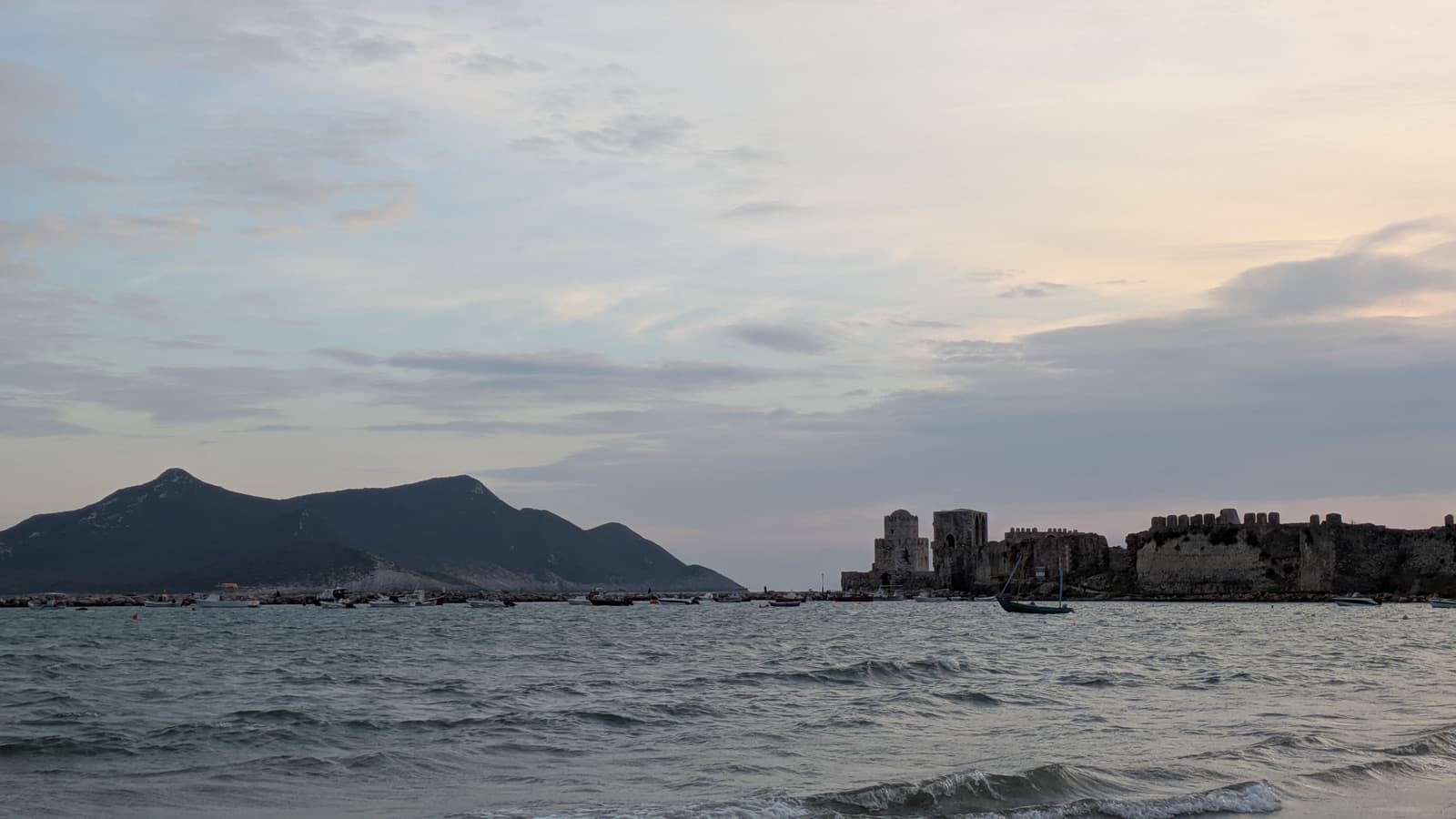
Coastal
Ktimatiki Ypiresia (Κτηματική Υπηρεσία) · Κτηματική Υπηρεσία
If your plot is within 100 metres of the coastline, the Coastal Authority must verify that your construction respects the aigialos (shoreline) and paralia (beach) zones — both public property where no construction is permitted. The boundary between buildable land and public coast is determined by a demarcation committee, and the process is less standardised than you'd expect.
How it works
The combined checklist
| Clearance | Authority | Best | Typical | Worst | Cost | Risk |
|---|---|---|---|---|---|---|
| Forestry | Dasarchio (Δασαρχείο) | 1-3 months | 3-6 months | 2-5 years | €2,000 - €15,000 | |
| Archaeological | Eforia Archaiotiton (Εφορεία Αρχαιοτήτων) | 2-4 months | 4-8 months | Years (if finds) | €15,000 - €50,000 | |
| Coastal | Ktimatiki Ypiresia (Κτηματική Υπηρεσία) | 1-2 months | 2-4 months | 6+ months | €3,000 - €10,000 | |
| Total (parallel) | 2-4 mo | 4-8 mo | Years | €20-75K |
These timelines assume the plot has no major issues. Forest disputes, archaeological finds, or contested coastal demarcations can each add years independently.
Before all three: the road
Since 2023, there's a prerequisite that comes before forestry, archaeology, and coastal combined: your plot must front a formally recognized public road. A Council of State ruling has frozen building permits on most ektos schediou land in Greece — affecting approximately 70% of the country. If your road isn't documented, the three clearances are irrelevant because you won't get to the permit stage.
Read the full ektos schediou guideRelated research
Forestry Maps
Why your Greek plot might be a forest — even without trees
Ektos Schediou Guide
The 2023 ruling that froze building permits on 70% of Greek land
Topografiko Guide
How to read a Greek topographic survey and what the numbers mean
Building a Hotel
The full 8-step process from land purchase to opening night
Or start with land that's already cleared
The three clearances exist to protect Greece's forests, antiquities, and coastline. They're important. But for an investor, the 12-24 months they can consume is the difference between catching a market window and missing it.
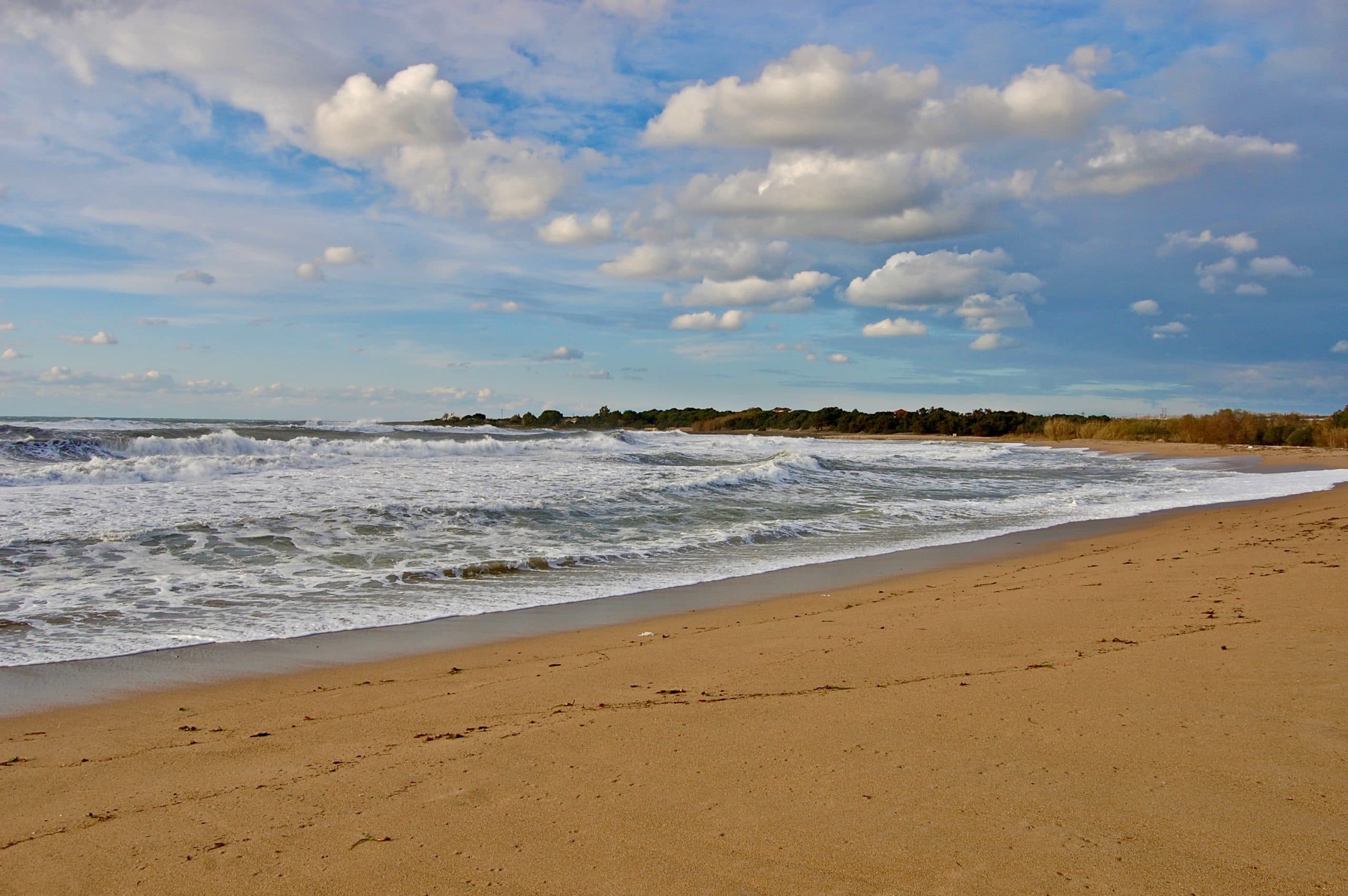
We have 20,404 sqm of beachfront land at Lagouvardos, Messinia. All three clearances are complete. Road access confirmed on a recognized municipal road. Building terms verified. The years of waiting are already behind this property.
If you're evaluating land in Greece and the clearance timeline matters to your investment thesis, we're happy to share the documentation.