
What’s your vision?
20,000 m² of beachfront on Greece’s last undeveloped coast. What would you build?
The undeveloped coast that won't stay that way
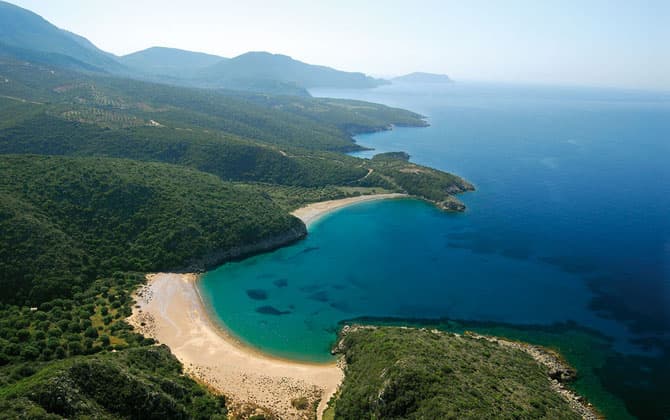
44 kilometres of unbroken sandy coastline. Zero hotels. Backed by Aleppo pine forest, protected by Natura 2000, and 15 minutes from the largest tourism investment in Greek history.
What 44 kilometres of nothing looks like
Start at Marathopolis. Drive north. For the next 44 kilometres, the road follows a coastline that hasn't changed since Homer wrote about it. On your left: the Ionian Sea, an unbroken ribbon of golden sand stretching to the horizon, backed by dunes and Aleppo pine forest. On your right: olive groves, fig orchards, and the foothills of Arcadia.
There are no resorts. No beach bars with thumping music. No high-rises. No cranes. The villages — Marathopolis, Filiatra, Kyparissia — are market towns and fishing harbours that exist for the people who live here, not for tourists.
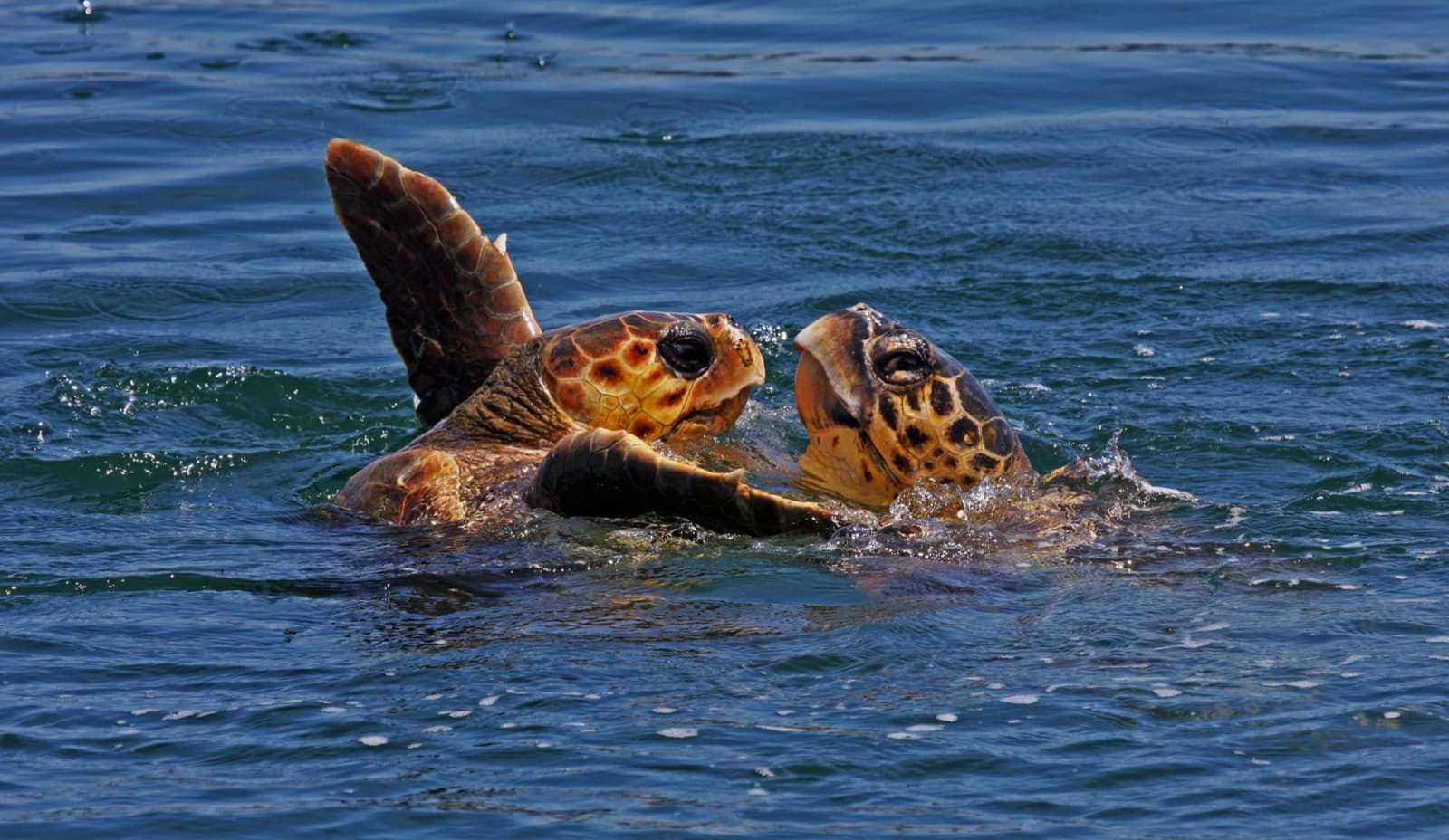
The beach itself is one of the most significant ecological sites in the Mediterranean. Kyparissia Bay is a Natura 2000 protected area and one of the most important nesting grounds for the endangered loggerhead sea turtle (Caretta caretta) in Europe. ARCHELON, the Sea Turtle Protection Society of Greece, monitors an average of 780 nests per year along a 10-kilometre core zone in the southern bay.
This is not a coast that was overlooked. It was preserved — by geography, by regulation, and by the quiet stubbornness of a region that didn't rush. The question now is what happens when the world catches up.
The places along the way
Marathopolis
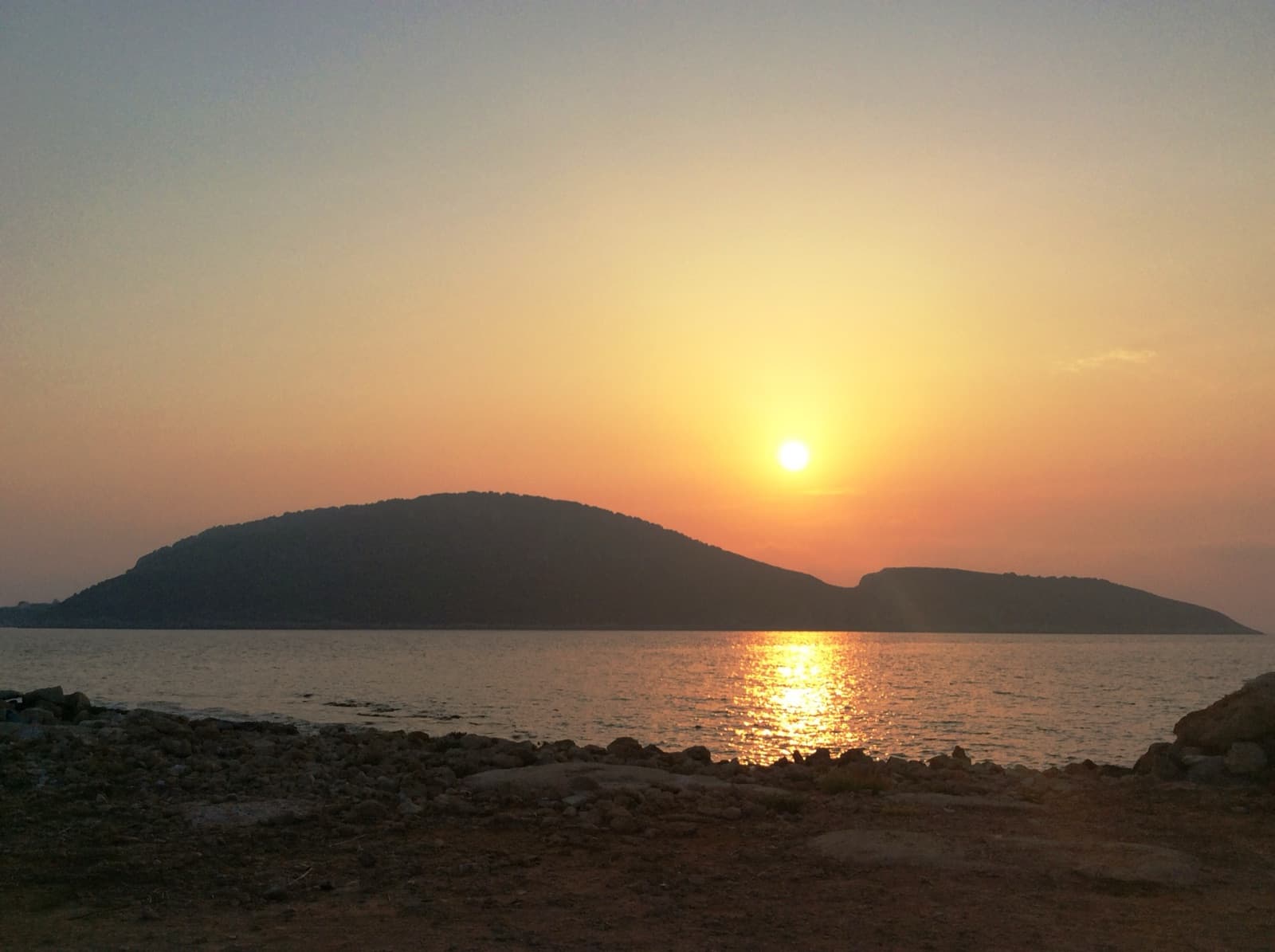
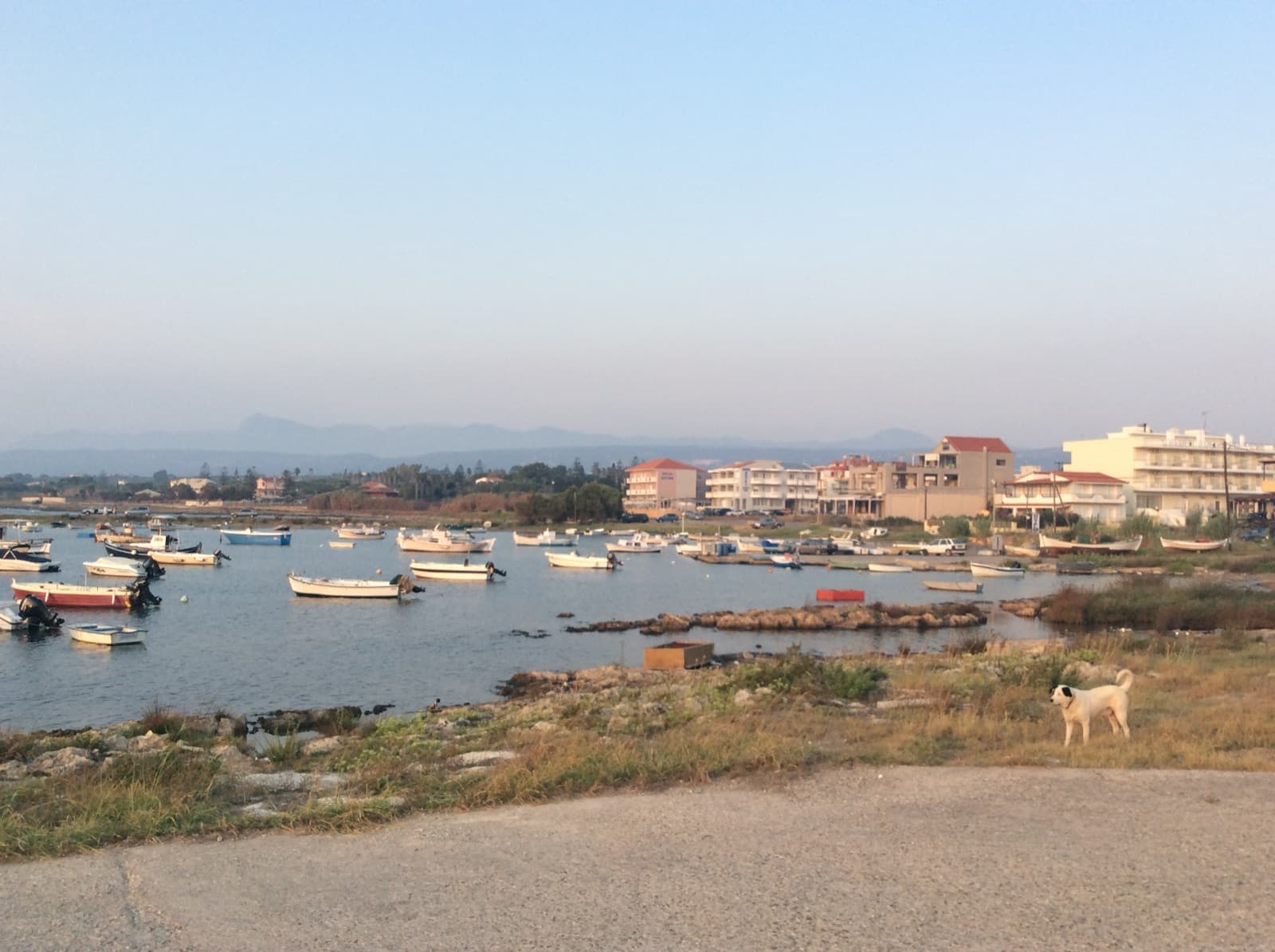
A fishing village of 800 people on a natural harbour. Boats leave for Proti Island from the quay. The waterfront taverna Panorama serves sardines pulled from the bay that morning. The village has one main street, two cafes, a church, and a harbour where fishermen mend nets in the afternoon light.
3 km south of Lagouvardos. The gateway to Proti Island and the social centre of the surrounding coast.
Filiatra
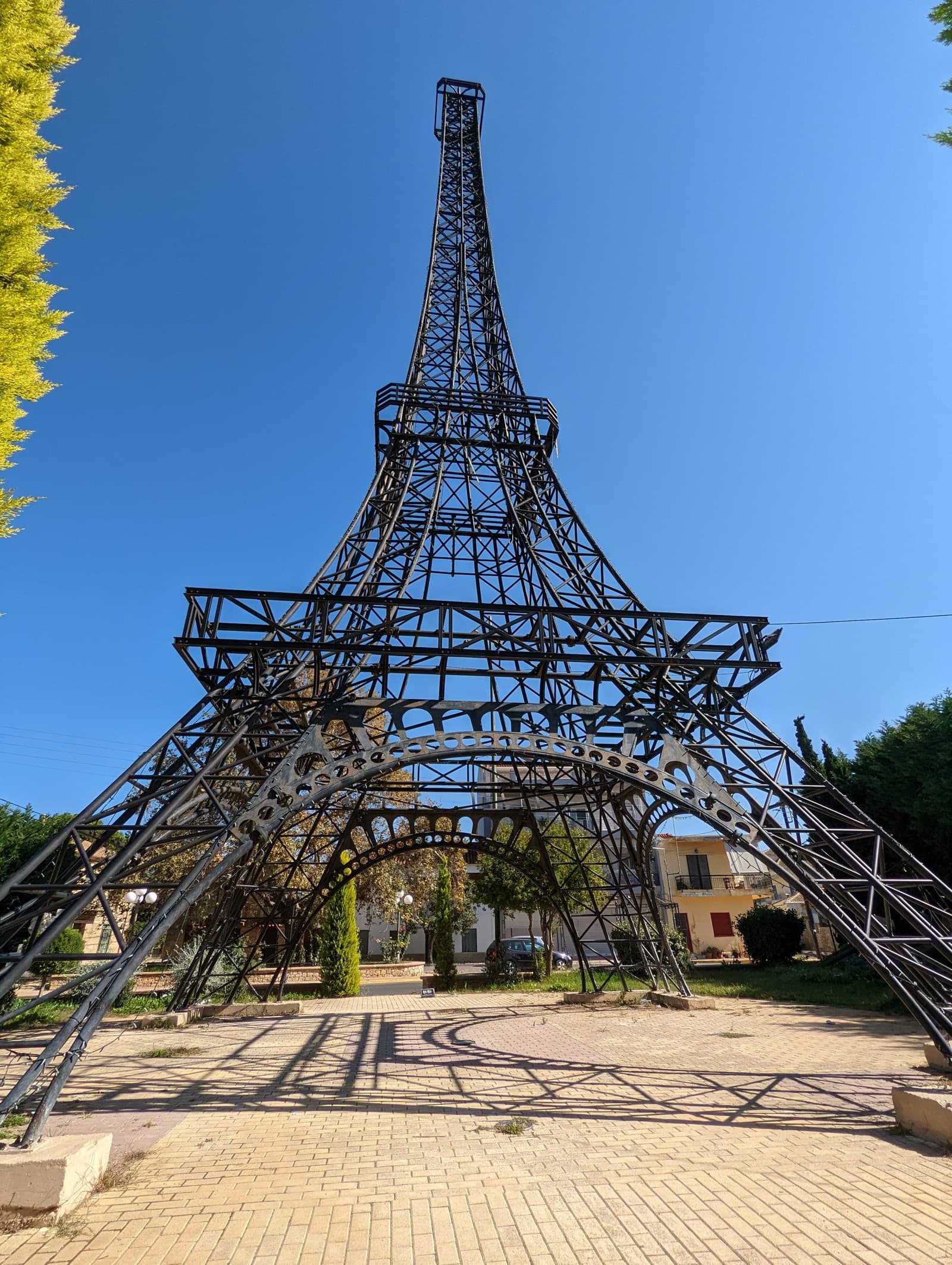
A market town of 6,000 people known for two things: its weekly farmer's market (Saturday mornings, one of the largest in Messinia) and its 18-metre replica of the Eiffel Tower, built by a local doctor in the 1960s after falling in love with Paris. The tower stands in the town square, lit up at night, surrounded by cafes that serve as if it weren't there.
12 km north of Lagouvardos. The commercial hub for the surrounding agricultural region.
Kyparissia
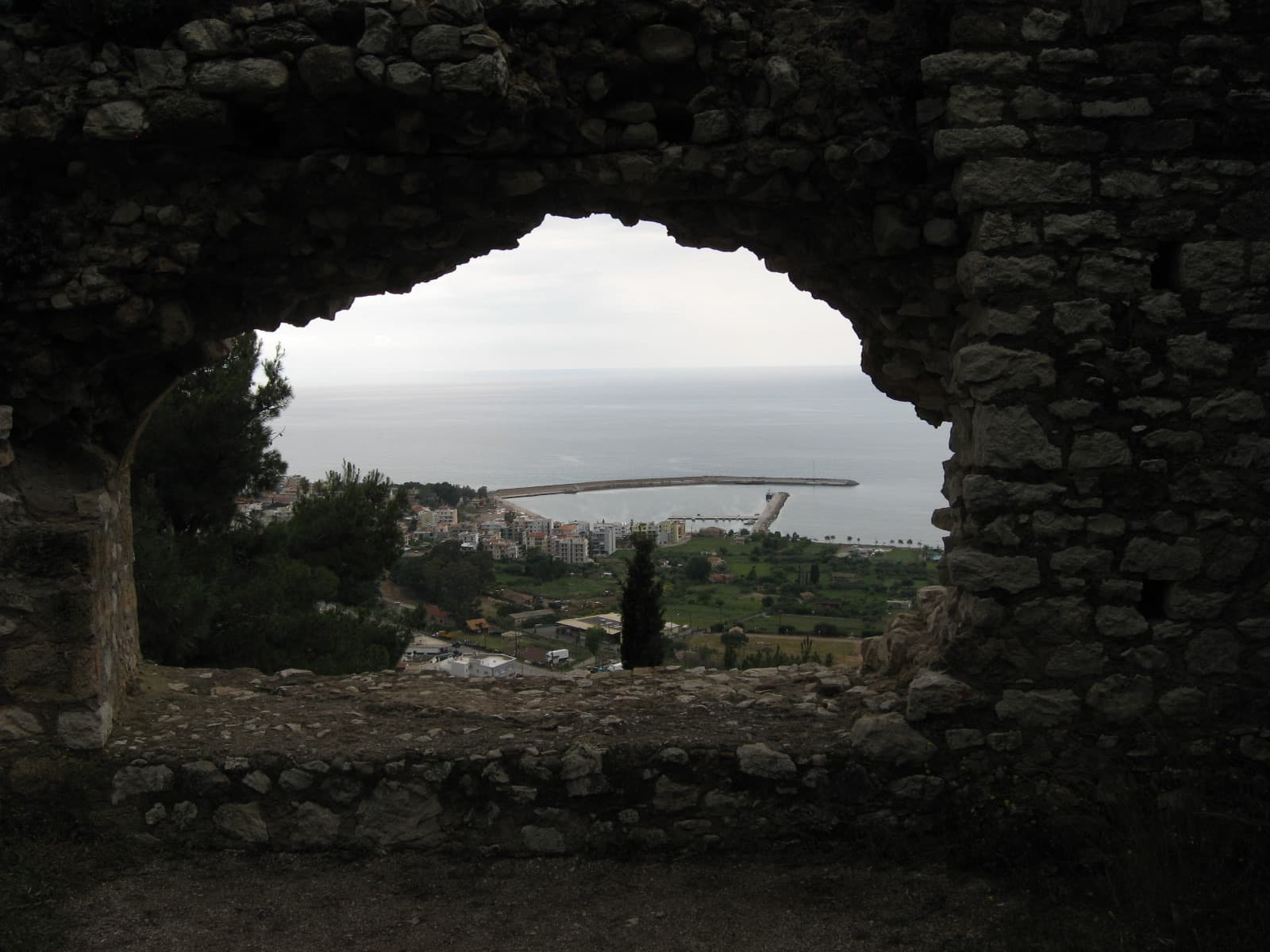
A town of 6,500 with a Frankish castle on the hilltop, a neoclassical old quarter cascading down the slope, and a modern lower town on the coastal plain. The view from the castle extends across the entire bay — 44 kilometres of sand curving south toward Lagouvardos and beyond. The beach below the town stretches for 5 kilometres, backed by pine forest, completely empty.
25 km north of Lagouvardos. The largest settlement on the bay, with the best panoramic vantage point.
Lagouvardos
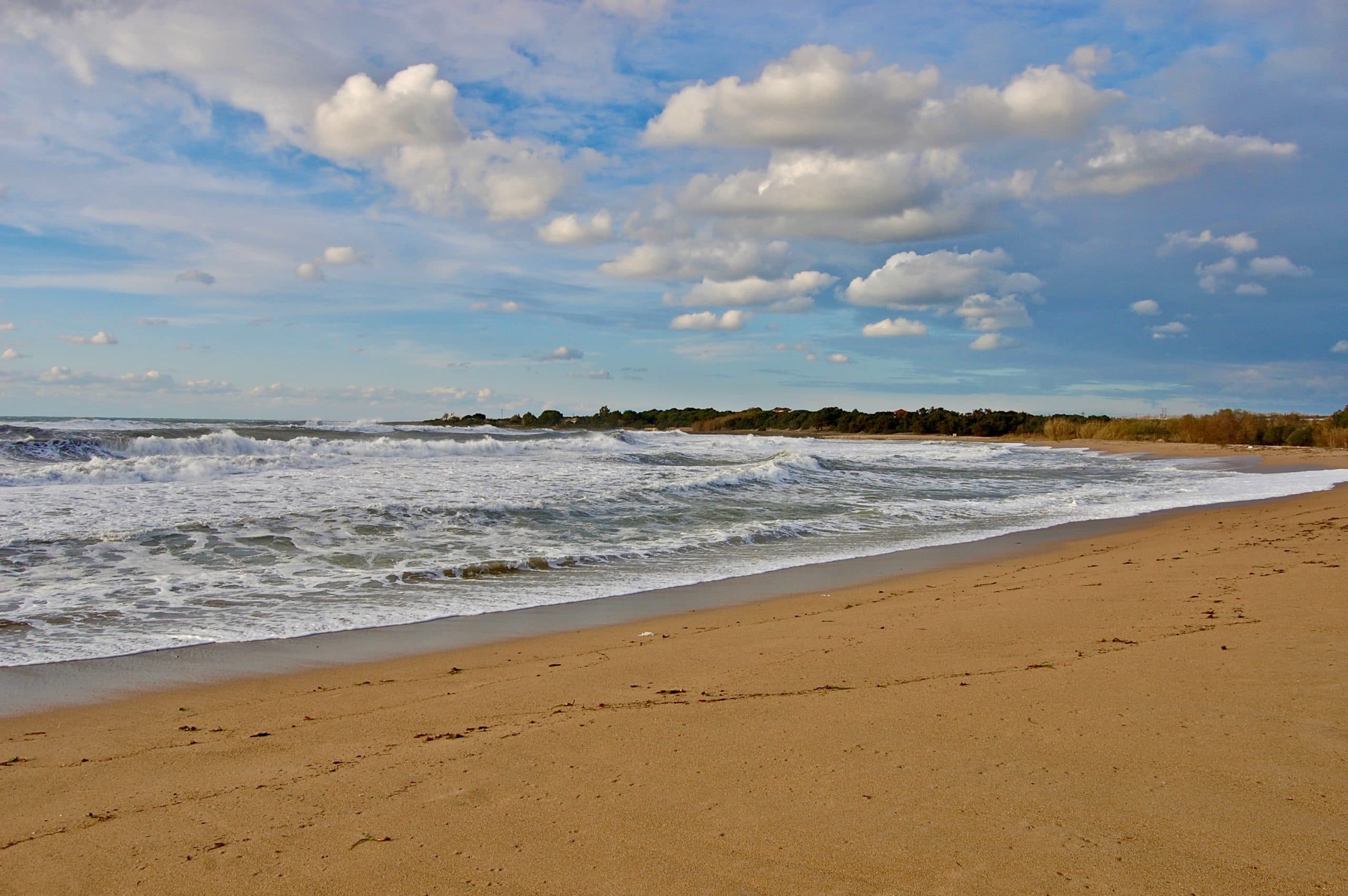
Two kilometres of crescent sand, facing west into the Ionian. Aleppo pines grow to the edge of the dune line. A river delta feeds the southern end. Surf rolls in from the open sea between November and April — proper barrels, the kind surfers plan trips around.
Lagouvardos sits at the midpoint of the undeveloped coast. Marathopolis is 3 km south. Proti Island is visible from the beach. Costa Navarino is 15 minutes by car. Kalamata Airport is 55 minutes. The beach has no sunbeds, no structures, no commercial presence of any kind.
There are 20,404 square metres of beachfront land here, sitting between the pine forest and the sand. Verified building terms. Forestry, archaeological, and coastal clearances confirmed. In a region where those three words can take years to earn, this land already has them.
What €1 billion next door looks like
Costa Navarino is the largest tourism investment in modern Greek history. Built by TEMES S.A. on land that looked exactly like Lagouvardos does today. The same sand, the same pines, the same empty coast. That was 2010. Sixteen years later, the numbers tell the story.
The properties
Next phase: Navarino Blue — four new hotels at accessible price points. Year-round operation. TEMES projects €2.5B total investment at full buildout.
The ripple effect
The Constantakopoulos family — founders of Costa Navarino — are now also part of the consortium that won the 40-year Kalamata Airport concession. They control both the destination and the gateway. €28.3M committed for terminal expansion. Target: double traffic to 700,000 passengers per year by 2030.
How fast it's moving
The pattern
Every coast has its moment. The trigger is always different — a film, a resort, a press mention, a runway. The trajectory is always the same.
Messinia has all four triggers at once: a billion-euro resort already proven, a Nolan film about to release, an airport tripling capacity, and a New York Times nod. No coast in the Mediterranean has had this confluence before.
The thing about this coast
There is a window between when a place is discovered and when it is transformed. Comporta had a decade. Dubrovnik had five years. The White Lotus effect on Sicily took two.
This coast is in that window right now. Costa Navarino proved the demand. The airport is expanding. The film drops in July. The NYT stamp is fresh. And between Marathopolis and Kyparissia, 44 kilometres of sand sit exactly as they have for three thousand years.
It won't stay that way.
Related research
The Costa Navarino Effect
How a billion-euro resort transformed a region — and what it means for the coast next door
Greece's Next Surf Mecca
Why Lagouvardos is the best wave in the Mediterranean nobody knows about
The Nolan Effect
How The Odyssey will reshape tourism in Messinia — the data behind the prediction
Land Prices in Messinia
What beachfront costs today — and what comparable coasts cost after discovery
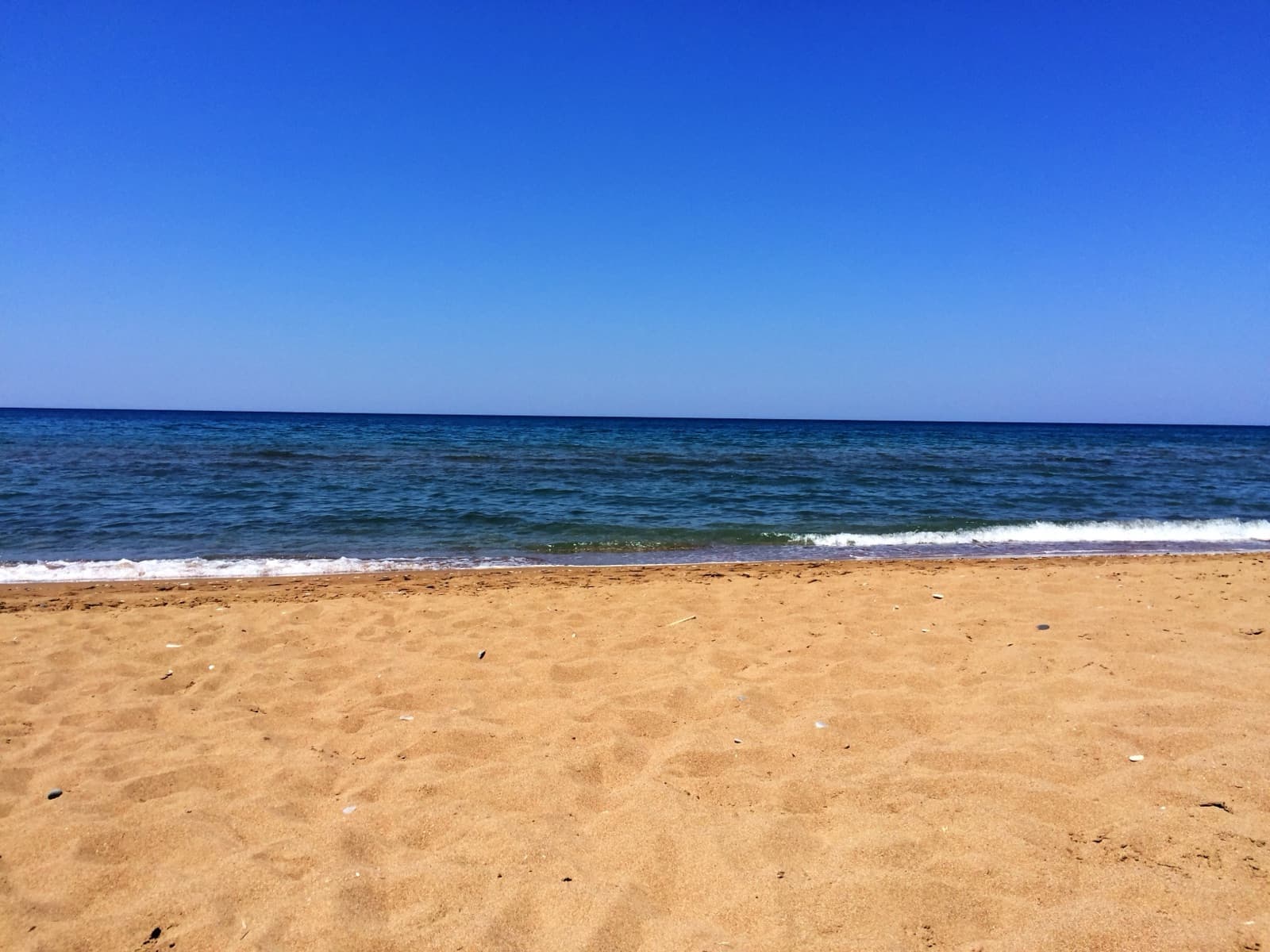
20,404 sqm of beachfront land. Centre of the stretch. All clearances verified.
Lagouvardos, Messinia.
Explore the opportunity