
What’s your vision?
20,000 m² of beachfront on Greece’s last undeveloped coast. What would you build?
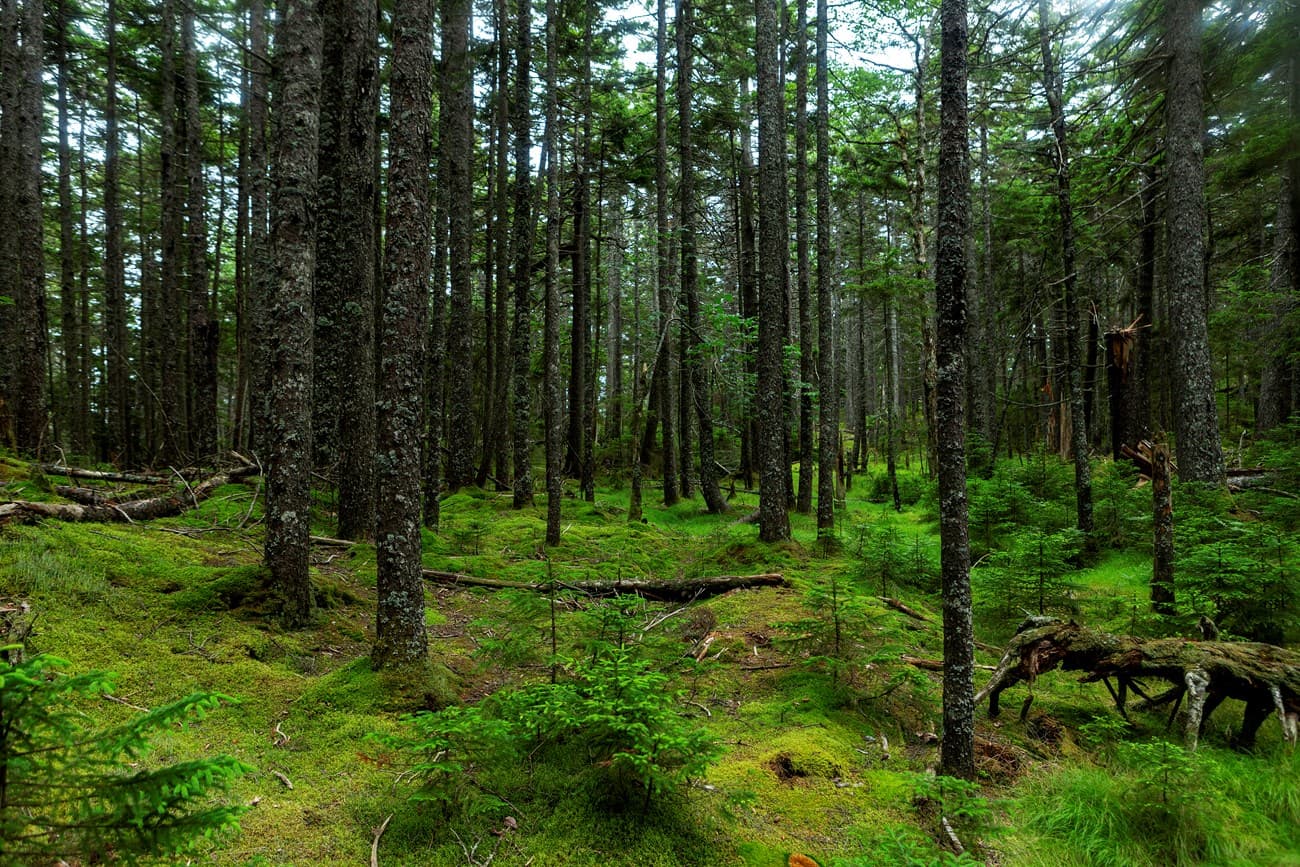
Why your Greek plot might be a forest
Even without trees. 60% of Greece is classified as forest land under the national forest maps. The classification is constitutional, permanent, and based on aerial photos from the 1950s — not what the land looks like today.
The rule
Article 24 of the Greek Constitution states that forests and forest areas, once destroyed, cannot change their character. This means: if land was classified as forest at any point — even if it was later cleared, burned, built on, or converted to farmland — it remains legally forest. Forever. No legislation can override it. No government can reverse it.
Once forest, always forest. That's not a policy. It's constitutional law.
How the forest maps classify land
Each parcel gets a two-letter code. The first letter is the historical status (from 1945-1960 aerial photos). The second is the current status. Only one combination is unambiguously clear.
This is what you want. The land was not classified as forest in historical aerial photos (1945-1960) and is not forest now. Clear to build, subject to normal permits.
Absolute protection. No building permitted. No exceptions. Constitutional protection (Article 24) means this cannot be changed by legislation.
The land was cleared or converted at some point, but the constitutional rule says it retains its forest status forever. The state may still claim it. Significant restrictions.
The land rewilded — abandoned farmland grew back, or vegetation encroached. Current status is forest, so restrictions apply. This catches many investors off guard.
Less restrictive than forest categories. May be buildable with conditions. Verify with the Dasarchio.
Subject to intermediate restrictions. Not as severe as DD but still problematic. Building may be limited or prohibited.
How to check your plot in 60 seconds
Go to the forest map viewer
Visit gis.ktimanet.gr/gis/forestfinal— the official public forest map. It's free, no login required.
Open the mapFind your plot
Navigate to the location using the map controls or search. Zoom in until you can identify the parcel. The interface is in Greek but navigation is visual.
Read the colour
Do this BEFORE everything else. Before the topographic survey. Before the title search. Before the site visit. Before any deposit. A 60-second check on this map can save you years of wasted time and money. The forest map exists independently of the deed, the cadastre, and the building permit process.
The six traps
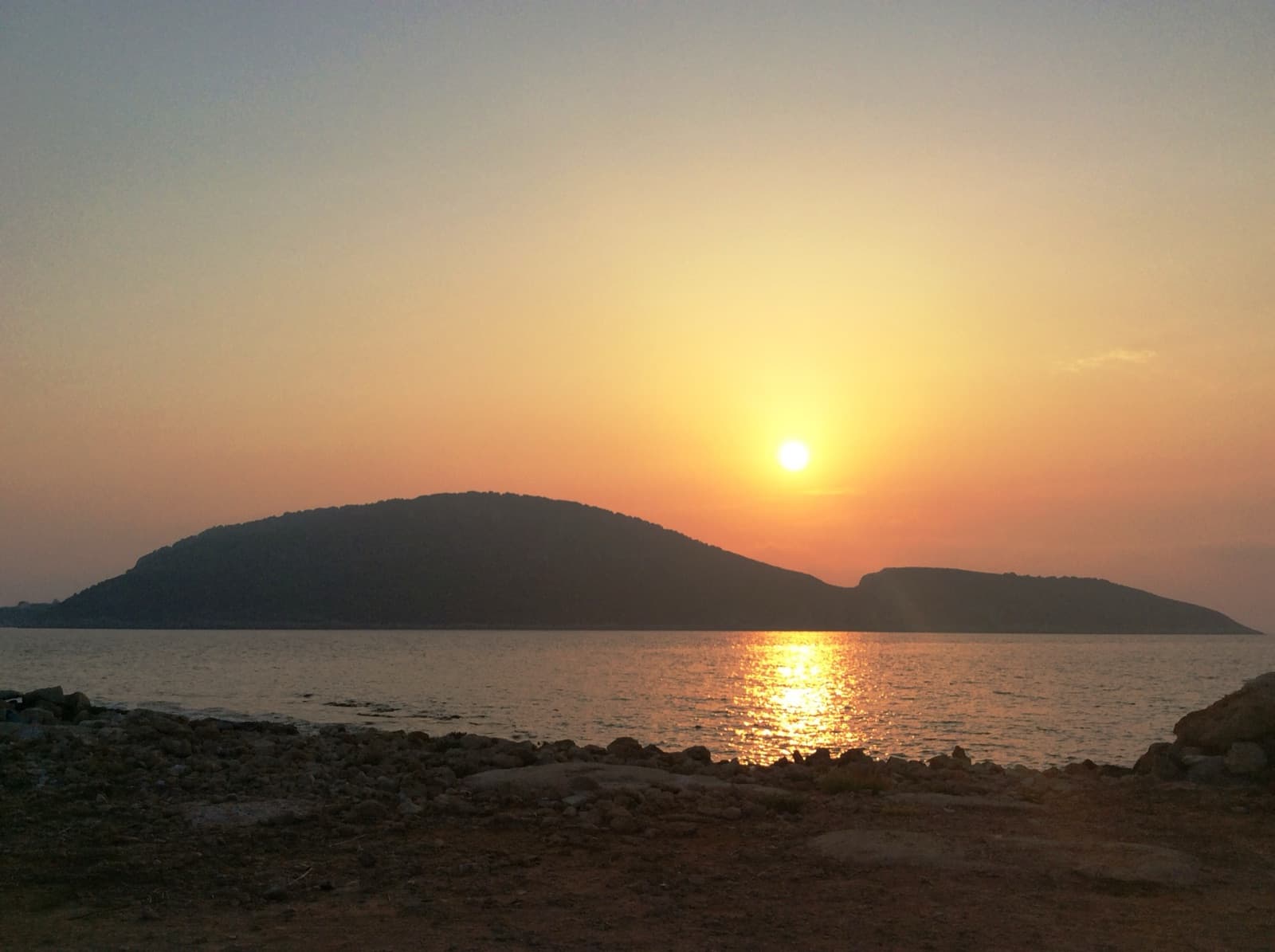
No trees doesn't mean no forest
Certain shrubs, rocky terrain with sparse vegetation, and previously abandoned agricultural land that rewilded can all trigger forest classification. The definition in Law 998/1979 is broader than 'a place with trees.'
The Peloponnese ownership presumption
In the Peloponnese (including Messinia), there is a presumption of State ownership of all forest areas. The burden of proof is on you to show the land is NOT forest — not on the state to prove it is. You're guilty until proven innocent.
The partial classification trap
If 2,000 sqm of your 5,000 sqm plot is classified as forest, your effective buildable area is 3,000 sqm — below the 4,000 sqm minimum. The entire plot becomes unbuildable, not just the forest portion.
Previous owners cleared illegally
If a previous owner cut down trees or cleared vegetation without authorization, the land retains its forest classification. You inherit the problem. The trees are gone but the legal status is not.
The 60-day deadline
Objection windows are extremely short: 60 days for residents, 80-105 for foreign nationals, from the date of posting. By the time most investors discover the classification, the window has closed. The 2024 Council of State ruling provides a potential remedy, but it's not guaranteed.
The deed doesn't warn you
The forest map classification exists independently of the property deed, the cadastre, and the title search. A perfectly clean title with no encumbrances can still be on land classified as forest. Your notary won't catch it unless specifically instructed to check.
The objection process (antirisi)
If your plot is classified as forest and you believe it shouldn't be, you can challenge the classification. The process is bureaucratic, slow, and uncertain — but the State loses about 70% of cases that go to appeal.
The Dasarchio publishes the forest map for your area. Starts the clock.
60 days for Greek residents. 80-105 days for foreign nationals. You need: title deeds, historical aerial photos, agricultural use evidence, topographic surveys.
Your objection goes to a 3-member committee (lawyer, forester, engineer). They review your evidence against the photo interpretation.
Committee can revise the classification, uphold it, or partially modify it.
If the committee rejects your objection, you can appeal to the courts. The State loses approximately 70% of cases that go to appeal.
The 2024 reopening
In July 2024, the Council of State ruled that property owners who missed the original objection deadline can challenge classifications if they can prove inadequate notice. This is significant — it reopens the process for thousands of owners who didn't know they were affected.
The 2025 settlement push
In March 2025, the government announced a new regulation to resolve disputes over approximately 2 million acres of contested land. The State Legal Council found it was losing the vast majority of cases — 857 new cadastral lawsuits in 2023 alone. The goal: end the litigation.
The scale of the problem
Questions & answers
Key legislation & resources
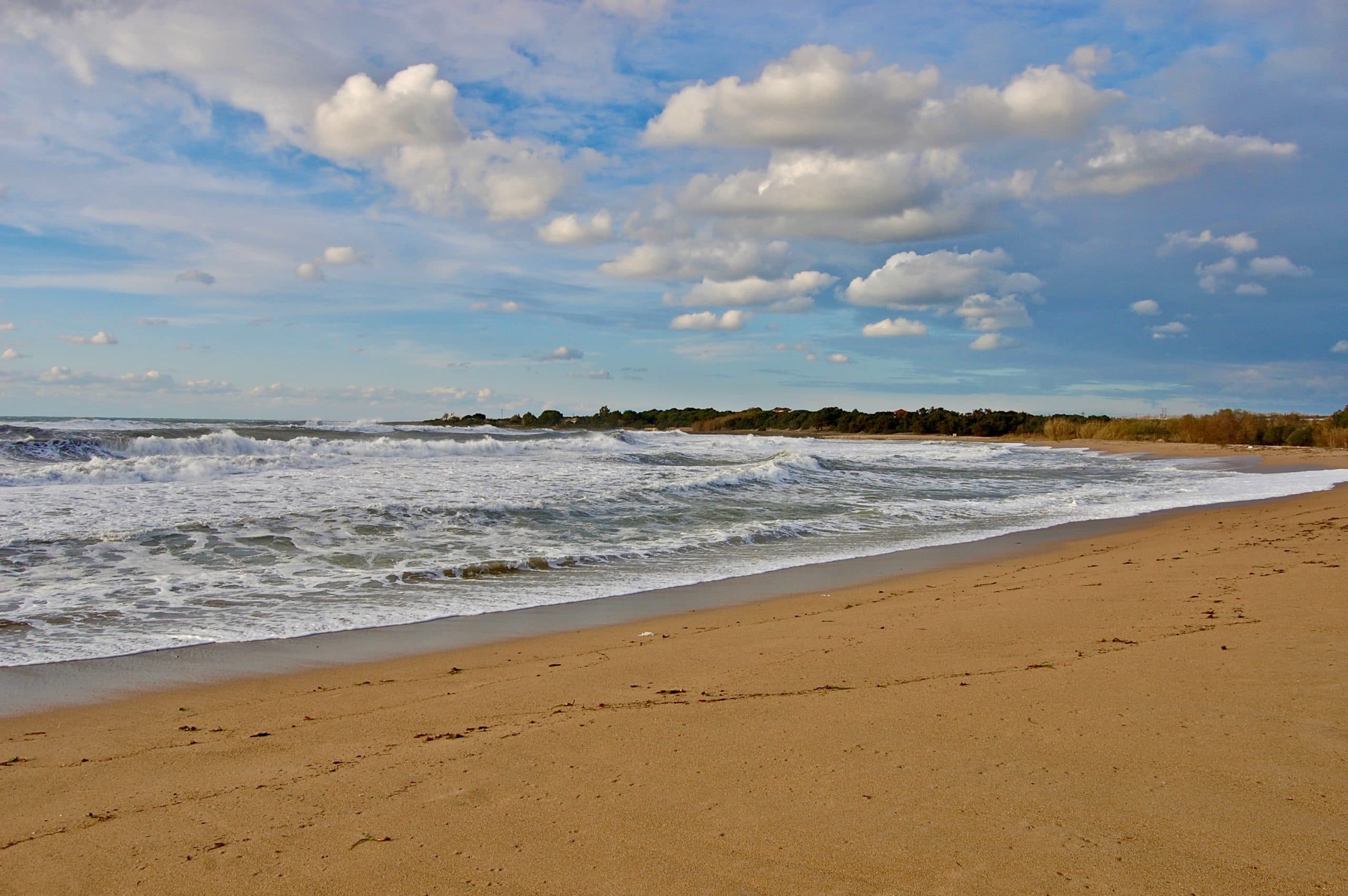
One plot where the forest question is answered
We own 20,404 sqm of beachfront land at Lagouvardos, Messinia. The forestry classification has been verified: AA — not forest, clear to build. The Dasarchio certificate is on file. Along with archaeological clearance, coastal compliance, and confirmed road access — all three clearances verified.
We know this process because we went through it. If you're evaluating a plot and need to understand the forestry situation, we're happy to share what we learned.