
What’s your vision?
20,000 m² of beachfront on Greece’s last undeveloped coast. What would you build?
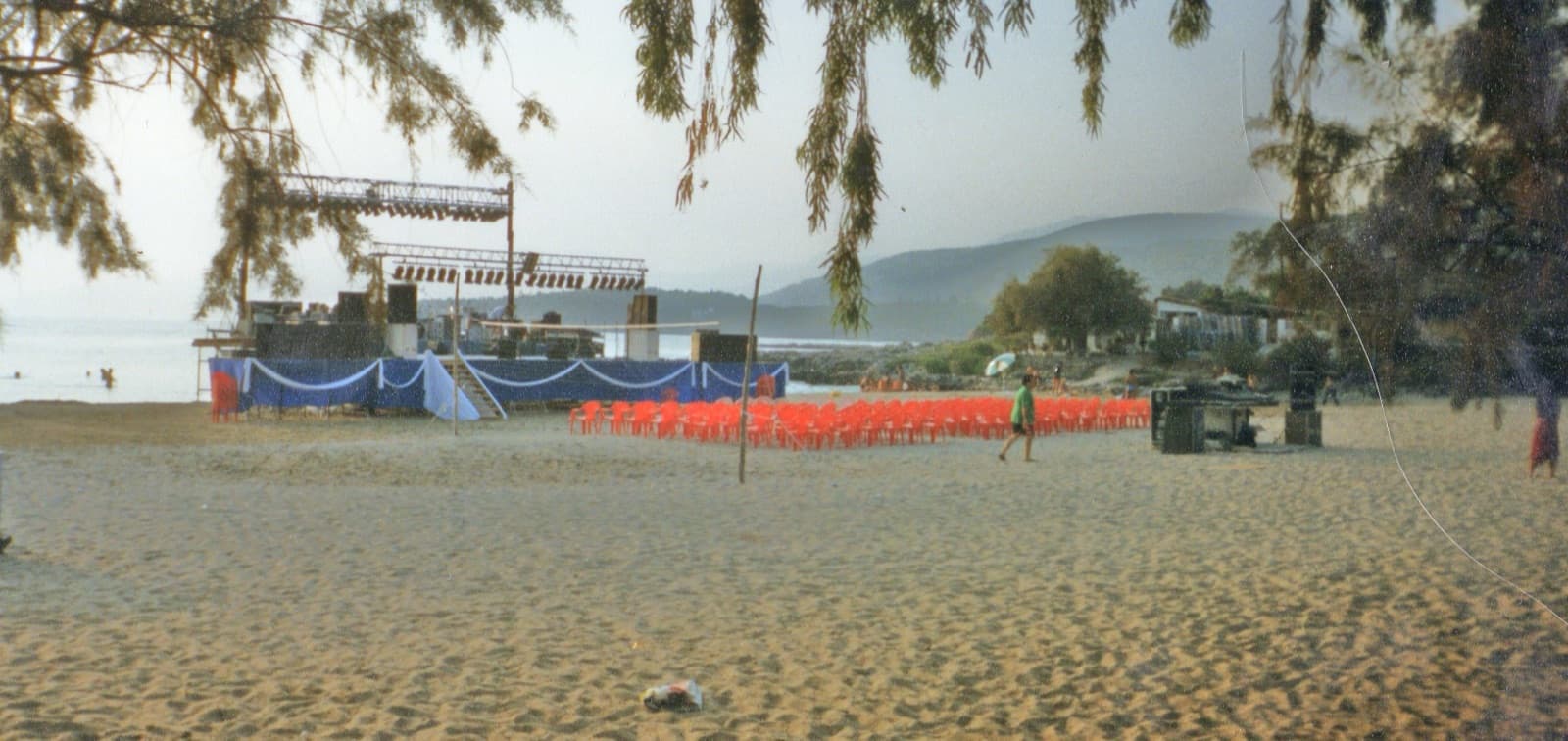
Digital nomad visas & long-stay tourism
Greek hotels lose money six months a year. Thirty-five million digital nomads want to be in the Mediterranean exactly when those hotels are empty. Greece just built the tax incentives to make it happen. Here's the new revenue model.
35 million people who work from anywhere
The US alone has 17.3 million digital nomads (MBO Partners, 2023). Globally, the number has crossed 35 million and is growing 15–20% a year. McKinsey puts the addressable pool at 500 million knowledge workers who could theoretically work remotely. If even 5% go nomadic, that's 25 million potential long-stay travelers.
They spend less per day than a traditional tourist — €60–93 versus €85–100. But they stay 4–12 times longer. A week-long tourist spends €630. A nomad on a 30-day stay spends €1,800–2,800. And they book direct, skip the OTAs, and need one turnover cleaning instead of six.
The critical insight: 55–60% of nomads prefer shoulder season travel. 30–35% actively seek off-season destinations. They follow a weather arbitrage pattern — northern Europe in summer, southern Europe in winter. Greece is a natural winter destination for anyone escaping Berlin, Amsterdam, or London.
Traditional tourist vs digital nomad
A digital nomad visa and three tax regimes
Greece launched its digital nomad visa in October 2021 — among the first in the EU. Minimum income: €3,500/month. Duration: 12 months, renewable to 2 years. But the visa is just the door. The tax incentives are the room.
Portugal ended its Non-Habitual Resident tax programme in 2024. Greece is now the clearest alternative in the EU — sunshine, affordable cost of living, and an effective tax rate of 7–22% depending on your situation, for 7–15 years. The combined pitch is genuinely competitive, and the market knows it.
Greek hotels make money for four months and lose it for six
July and August: 80–90% occupancy. November through March: 10–25%. Many island hotels drop below 10%. Most close entirely. 65–70% of Greek hotel revenue is earned in four months — June through September.
The building still costs money in winter. Mortgage, insurance, property tax, skeleton staff. Many hotels operate at a net loss for six to eight months of the year. The traditional Greek hotel model is a seasonal business pretending to be an annual one.
Digital nomads want to be in Greece exactly when hotels are empty. This is not a coincidence. It's weather arbitrage — 15–20°C and five hours of sun while Berlin sits at 0°C under cloud. The question is whether hotels are designed to capture it.
The revenue model, side by side
20-room boutique hotel in Messinia
+€89K more profit on only 4.7% more revenue. Winter revenue drops almost entirely to the bottom line because the fixed costs — building, insurance, core staff — are already being paid. At 70% winter occupancy (Bansko-level), NOI approaches €530K — a 36% uplift.
A hotel room is not a home. It needs to be both.
The number one reason long-stay guests leave a negative review: the room was designed for a tourist, not a resident. Here's what changes when someone lives and works in the same space for thirty days.
Minimum room size: 25 sqm for studios, 35+ sqm for one-bedrooms. A traditional hotel can survive at 18 sqm for a short stay. You can't live in that for a month. The Zoku model (Amsterdam) uses a sleeping loft to fit living, working, and cooking into 25 sqm — clever, proven, and replicable.
Four places that built the playbook
None of them spent significant money on traditional marketing. Someone told the story, nomads came, they posted, more came. The flywheel starts with one compelling property and a critical mass of twenty to thirty people who talk about it.
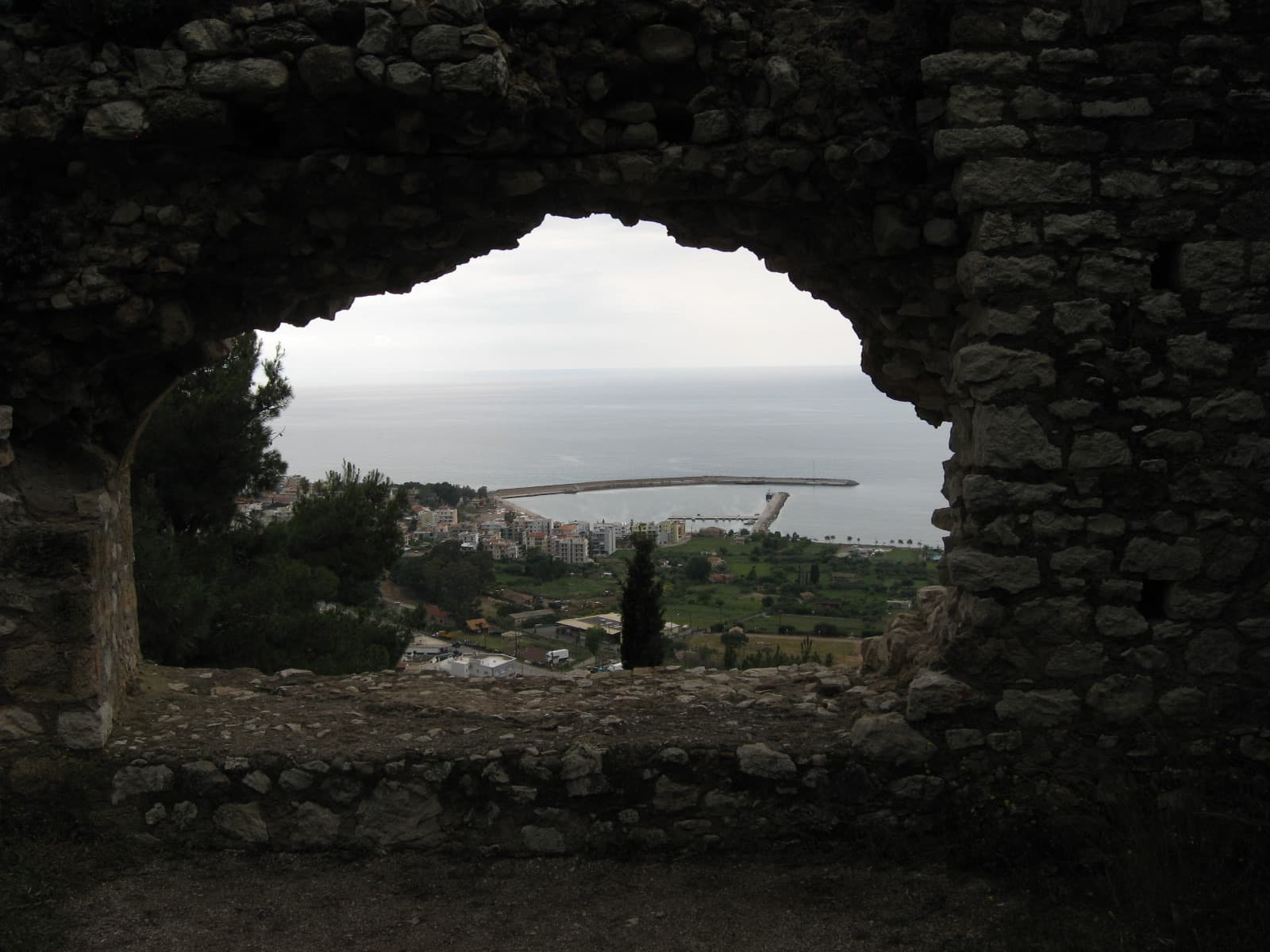
Bansko, Bulgaria
A ski town of 10,000 people. One co-working space (Coworking Bansko, founded 2016) ran events 5 nights a week — talks, dinners, hikes, ski trips. Within 3 years: 1,500+ nomads in winter. Hotels that embraced monthly stays at €15–25/night saw annual revenue increase 30–40%. The town council now actively supports the community.
A single well-run co-working space can seed an entire ecosystem.
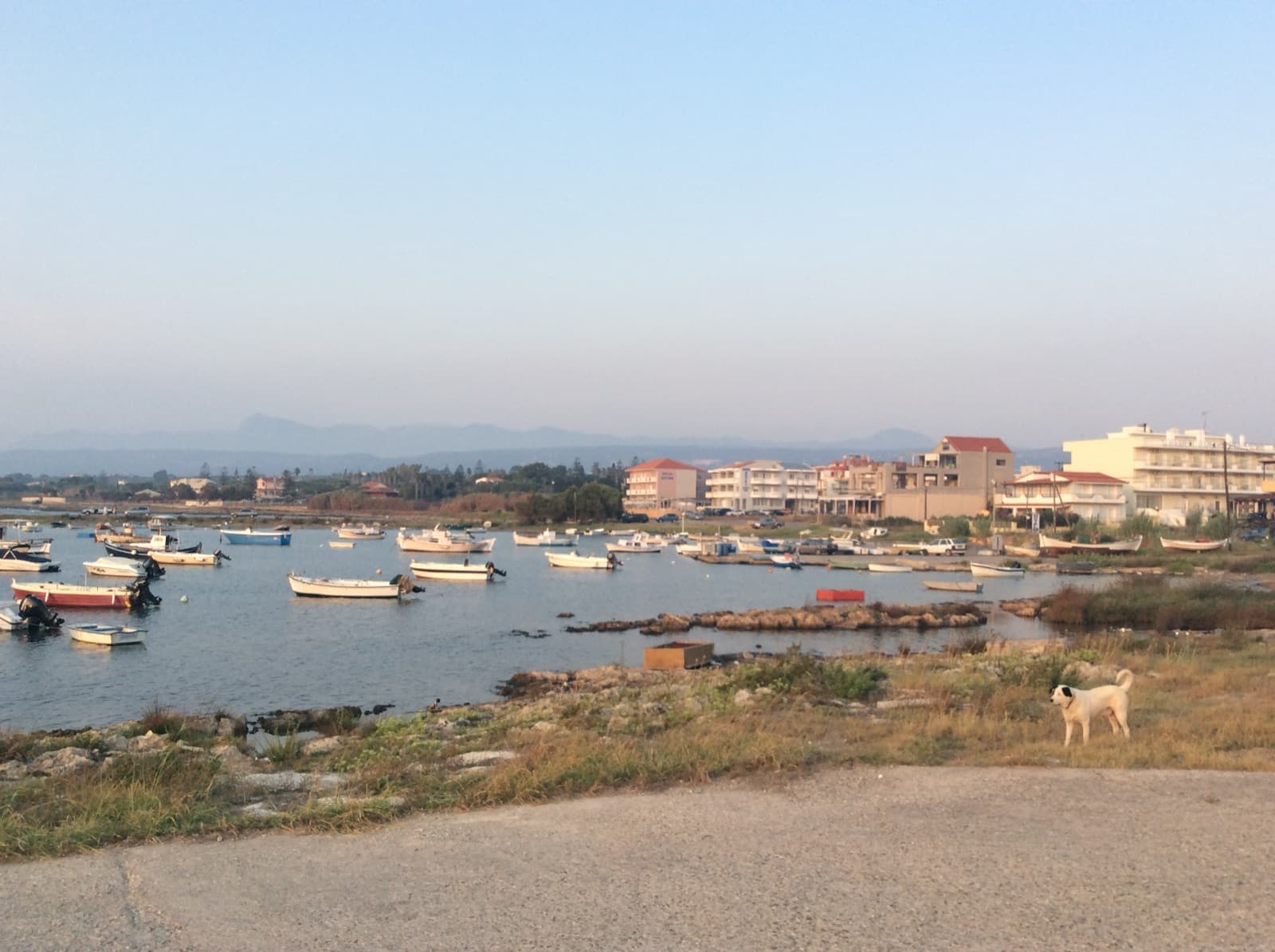
Ponta do Sol, Madeira
February 2021: Startup Madeira launched the "Digital Nomad Village" — free co-working, organized events, curated housing. Within months, 100+ nomads in a sleepy fishing village. Featured in every nomad publication. Rents rose 40–60%. A permanent community of 50–100 remains with seasonal swings.
A second-tier destination with good climate and modest investment can attract nomads. The key is someone organizing the narrative.
Canggu, Bali
Rice paddies to nomad capital in 8 years. Drivers: $5 meals, world-class surf, Instagram aesthetics, and a critical mass of co-working spaces. Hotels that added monthly stays and workspace saw occupancy increase 20–30% in shoulder months. Then came overdevelopment, traffic, and cultural tension.
The concept works at scale, but controlled growth is essential. Greece's regulatory environment prevents Bali-style overdevelopment.
Zoku, Amsterdam
Loft-style rooms with full kitchens and dedicated workspaces. Retractable staircase to sleeping loft, main floor as living/working space in 25 sqm. Extended-stay guests (7+ nights) account for 50% of room nights. Occupancy: 80%+, well above the Amsterdam hotel average.
Room design matters enormously. A room that works as both living space and workspace commands a premium and drives repeat bookings.
Zero nomad infrastructure. All the raw materials.
Messinia has no co-working space. No Nomad List page. No nomad meetups. No purpose-built long-stay accommodation. This is both the challenge and the opportunity — whoever opens first captures the narrative, the listings, the YouTube reviews, and the community flywheel.
What it does have: one of the mildest winter climates in mainland Europe (14–19°C from November to March, comparable to the Algarve). A cost of living 30–40% below Athens and 50–60% below the islands. Consistent surf from November to April. And an extraordinary food culture — Koroneiki olive oil, Kalamata olives, local wine, fish from the harbour, weekly farmers' markets. You eat better for less.
Costa Navarino has spent fifteen years building brand awareness and pushing for extended airport seasons. A boutique long-stay property positioned as the “local alternative” benefits from all of that infrastructure without competing with it. Different product, different guest, same rising tide.
Messinia's off-season isn't off
Monthly cost of living
Every nomad destination found a single story
“Paradise for creators”
$5 meals, world-class surf, Instagram sunsets.
“Europe's coolest affordable city”
Historic, creative, walkable, and on the water.
“The cheapest place in Europe to live well”
€800/month, ski in winter, hike in summer.
“The island that never gets old”
Eternal spring, EU, safe, nature at the door.
“Conscious luxury in the jungle”
Wellness, aesthetics, cenotes, and community.
“Live like a Greek — for a season”
The Mediterranean pace of life at a price that lets you stay. Olive groves, surf, 3,000 years of history, and a taverna where they know your name.
The first-mover window
Bansko proved that a single co-working space can seed an entire nomad ecosystem in a town of 10,000 people. Madeira proved that a second-tier destination with good climate and modest infrastructure investment can capture the narrative overnight. Neither spent millions. Both started with one operator who understood the audience.
Messinia has everything these places had — mild winters, low costs, natural beauty, authentic culture — plus things they didn't: a billion-euro resort already driving awareness, an airport tripling capacity, a Nolan film about to put the coastline in IMAX theatres worldwide, and a government offering 50% tax reductions for anyone who moves here.
There is currently no purpose-built nomad accommodation in Messinia. No co-working space. No community hub. The first property that opens with fast wifi, kitchenettes, and a communal table doesn't just fill a gap — it writes the Nomad List page, the blog posts, the YouTube reviews.
It captures the flywheel. And in this market, first is everything.
20,404 sqm of beachfront land. Pine forest, surf break, and the quietest coast in the Mediterranean.
Lagouvardos, Messinia.
Explore the opportunity