
What’s your vision?
20,000 m² of beachfront on Greece’s last undeveloped coast. What would you build?
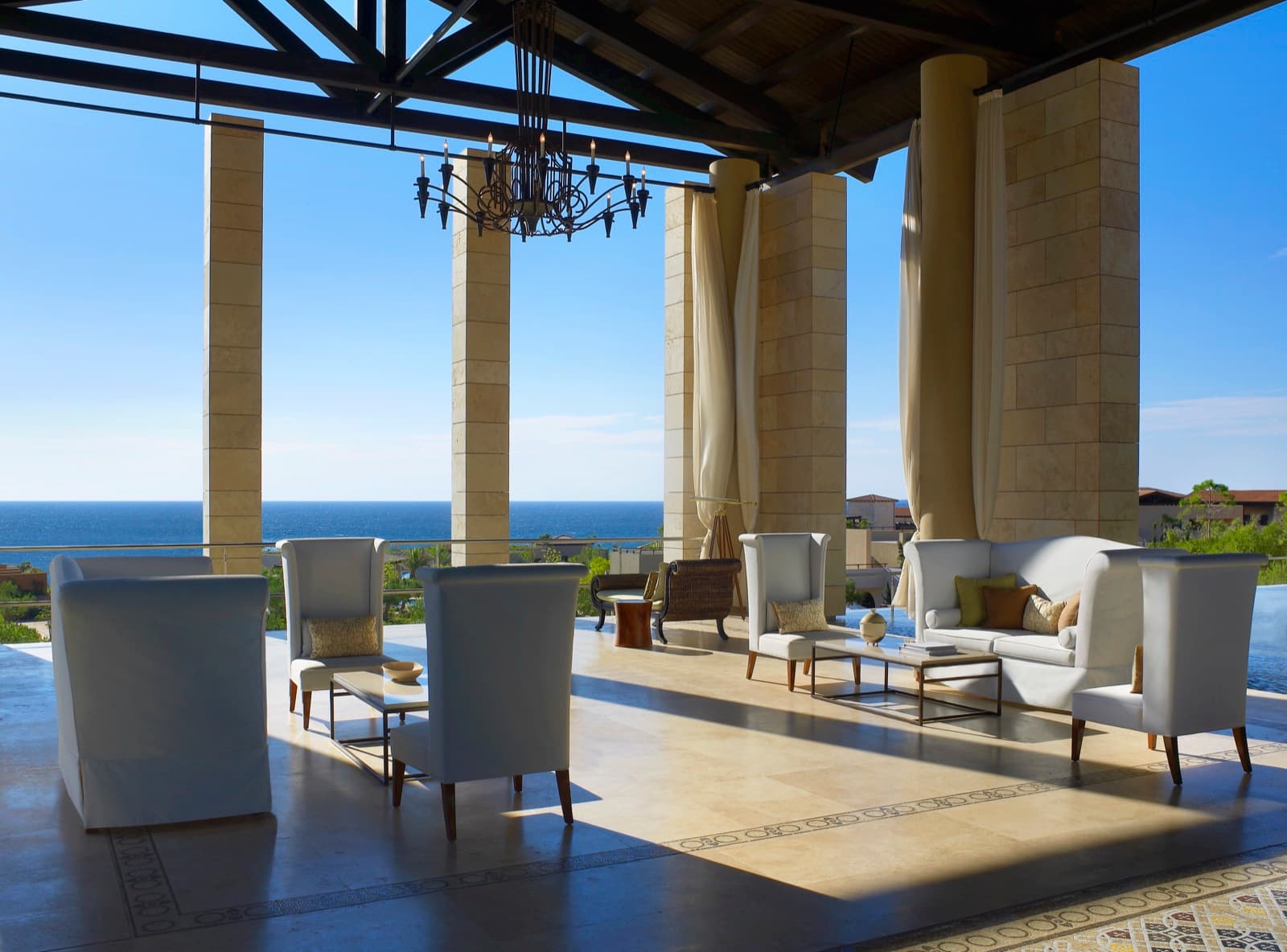
The rise of boutique hotels in Greece
Chains built Greek tourism. Boutique hotels are inheriting it. Smaller properties, higher margins, lower risk — and the government will pay for half of it. Here's the data behind the shift, and why developers are pointing at Messinia.
Why boutique wins in Greece
A 20-room boutique hotel costs €3–7 million to build. A 200-room chain hotel costs €20–40 million. The boutique charges 2–4× the nightly rate, breaks even a year faster, keeps 40–55% of revenue as operating profit, and pays zero franchise fees.
The chains know this. Marriott, Accor, and Hyatt don't build new chain hotels in Greece's best locations — they acquire successful boutique properties and fold them into soft-brand collections like Luxury Collection, MGallery, and Curio. The market is voting.
Skift Research (2024): 62% of luxury travelers now prefer independent boutique hotels over chains, up from 48% in 2018. In Greece, that preference is even stronger — the traveler who flies to Kalamata isn't looking for a Hilton.
Based on STR Global, HotStats, Horwath HTL data for Greek luxury/upscale segment (2023–2024). Boutique defined as sub-50 rooms, design-led, 4–5 star.
Five properties that changed the conversation
They started small. Wine caves, Byzantine manors, industrial ruins, a wellness retreat in the mountains. What they share: an obsession with place, and numbers that make chains nervous.
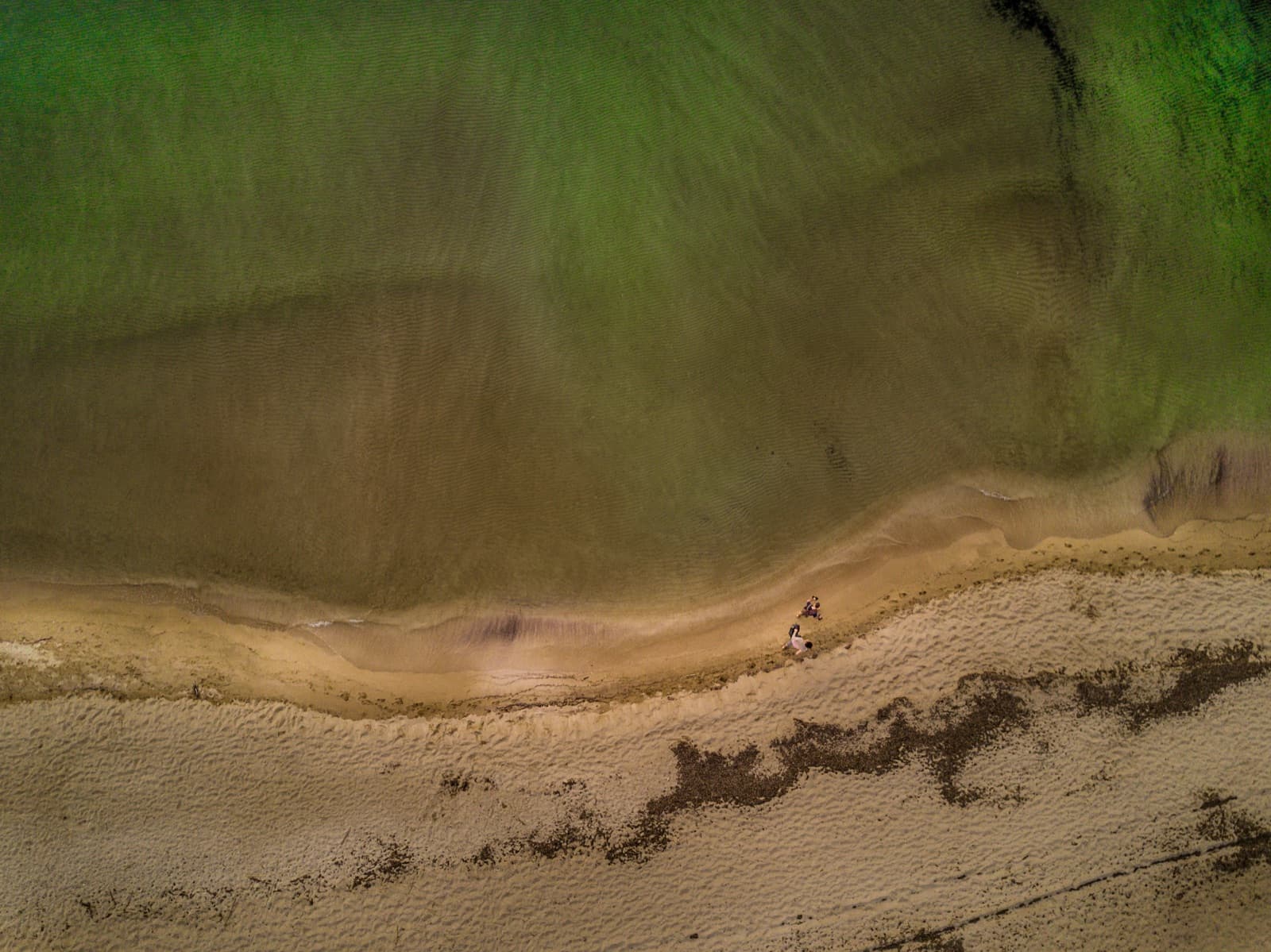
Canaves Oia
Started as 17 rooms carved from wine caves in the 1980s. Now 4 properties, 70+ keys. Condé Nast Gold List. ADR €800–1,500+ in peak season. Family-owned. Estimated €8–12M annual revenue.
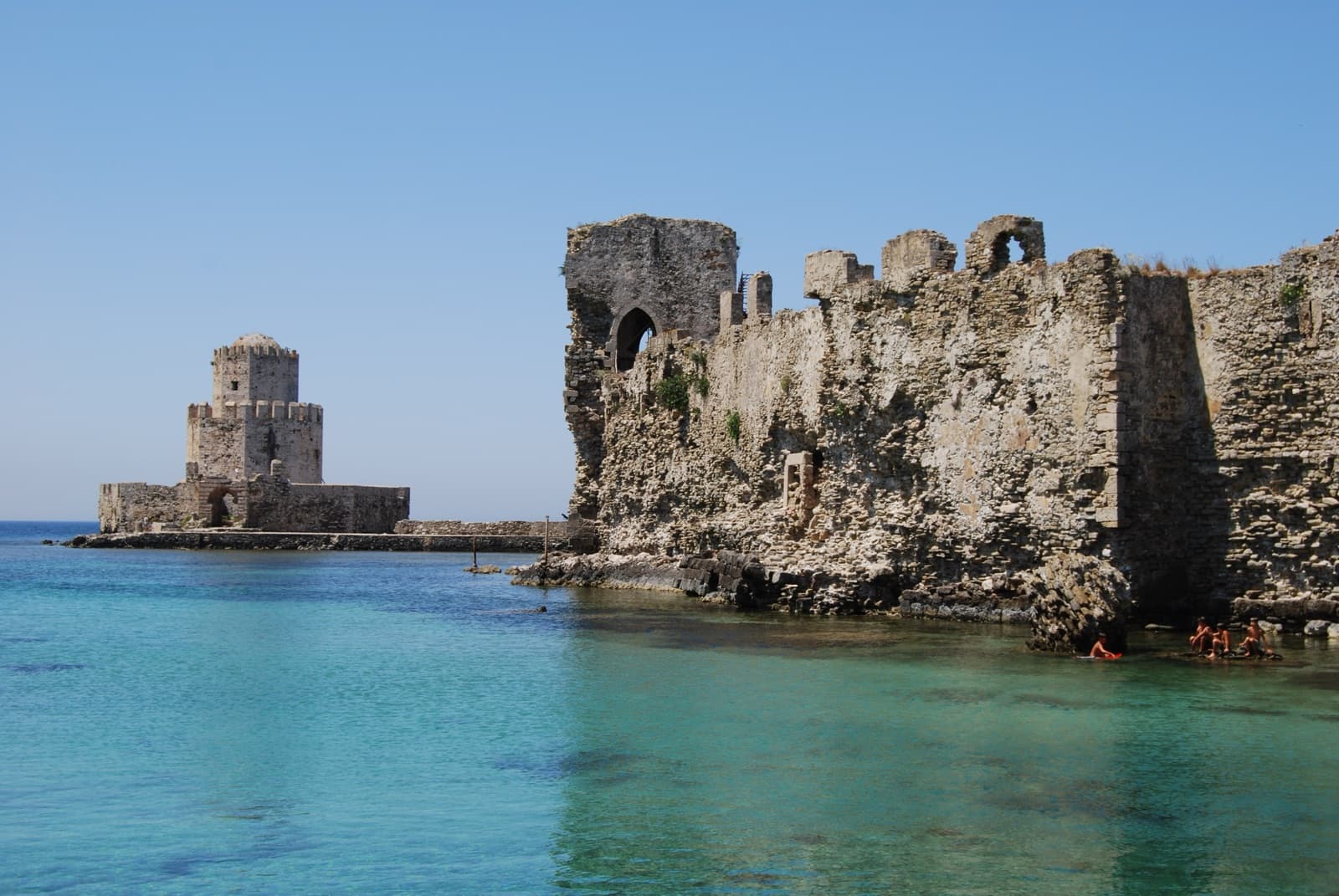
Kinsterna Hotel
Converted Byzantine manor house. 29 rooms. Won the Europa Nostra award for heritage restoration. 70%+ occupancy in a region with zero chain presence — the hotel IS the destination draw.
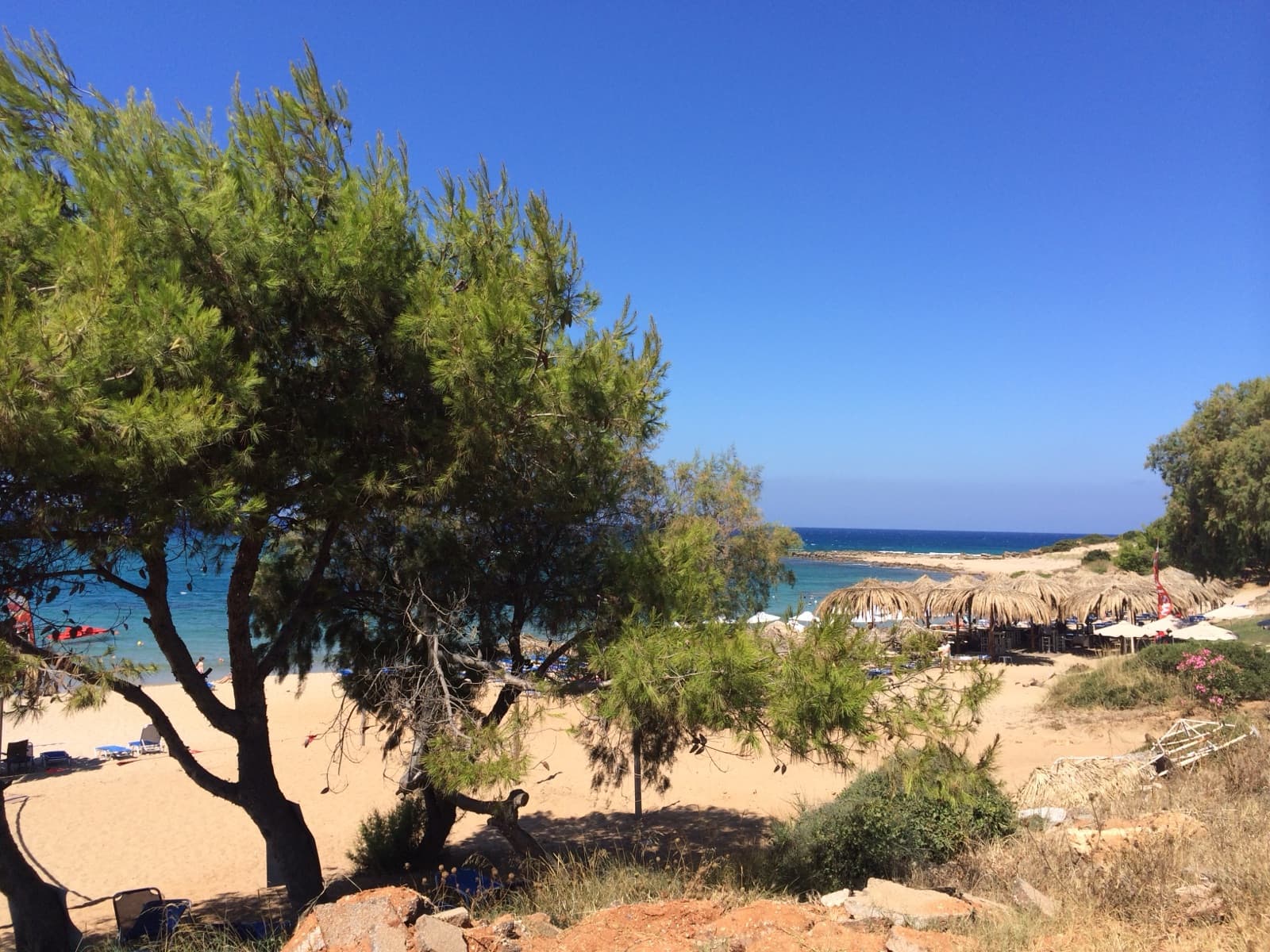
Dexamenes Seaside Hotel
Converted 1920s industrial wine tanks into a brutalist-minimalist boutique hotel. K-Studio architects. Multiple international design awards. Proved the Peloponnese coast can attract the global design-hotel audience.
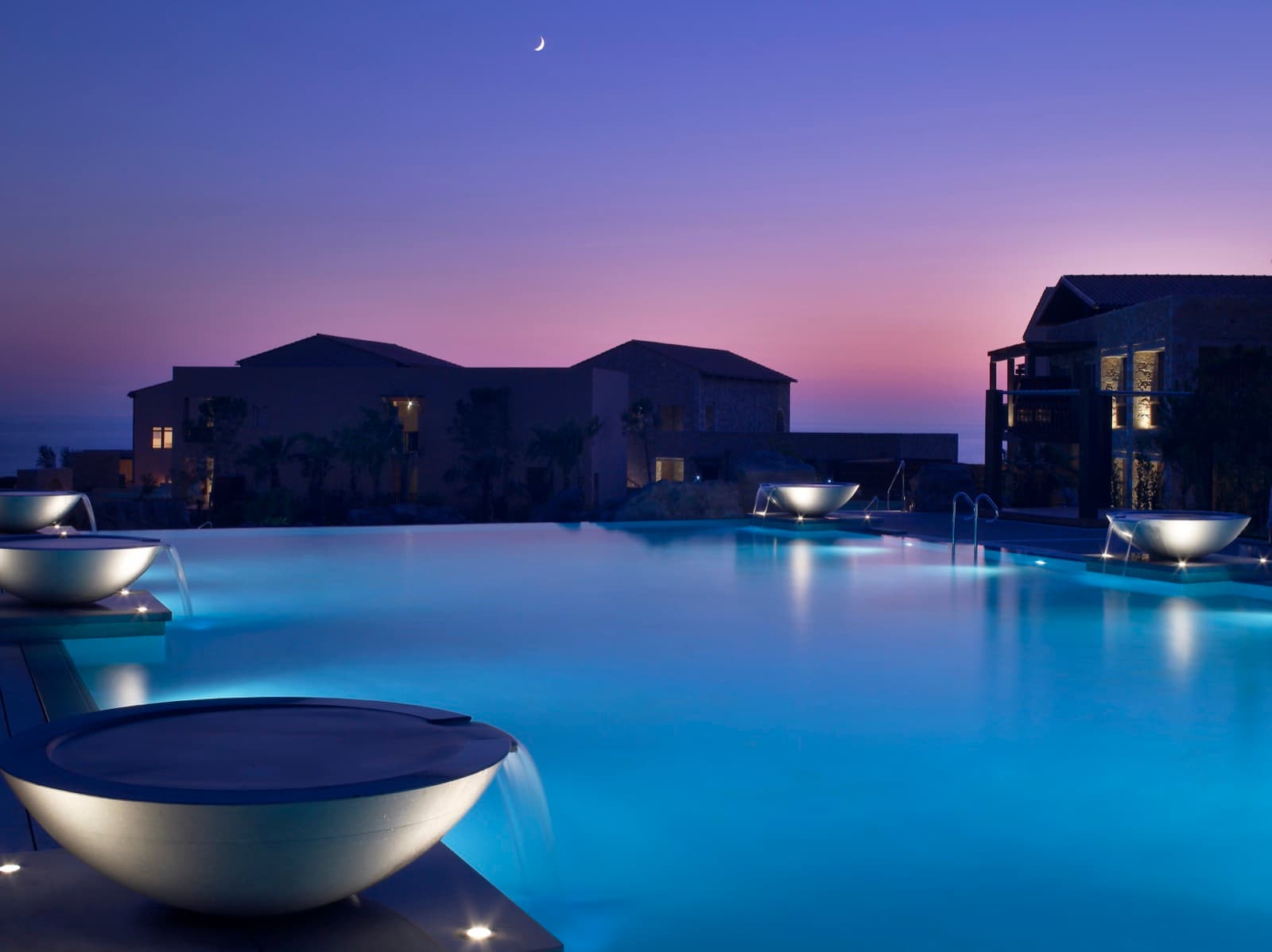
Grace Hotel → Auberge
20 rooms. Opened 2008. Became one of the most photographed hotels on earth. So successful that Auberge Resorts Collection acquired it — proof that boutique assets command institutional exit valuations.
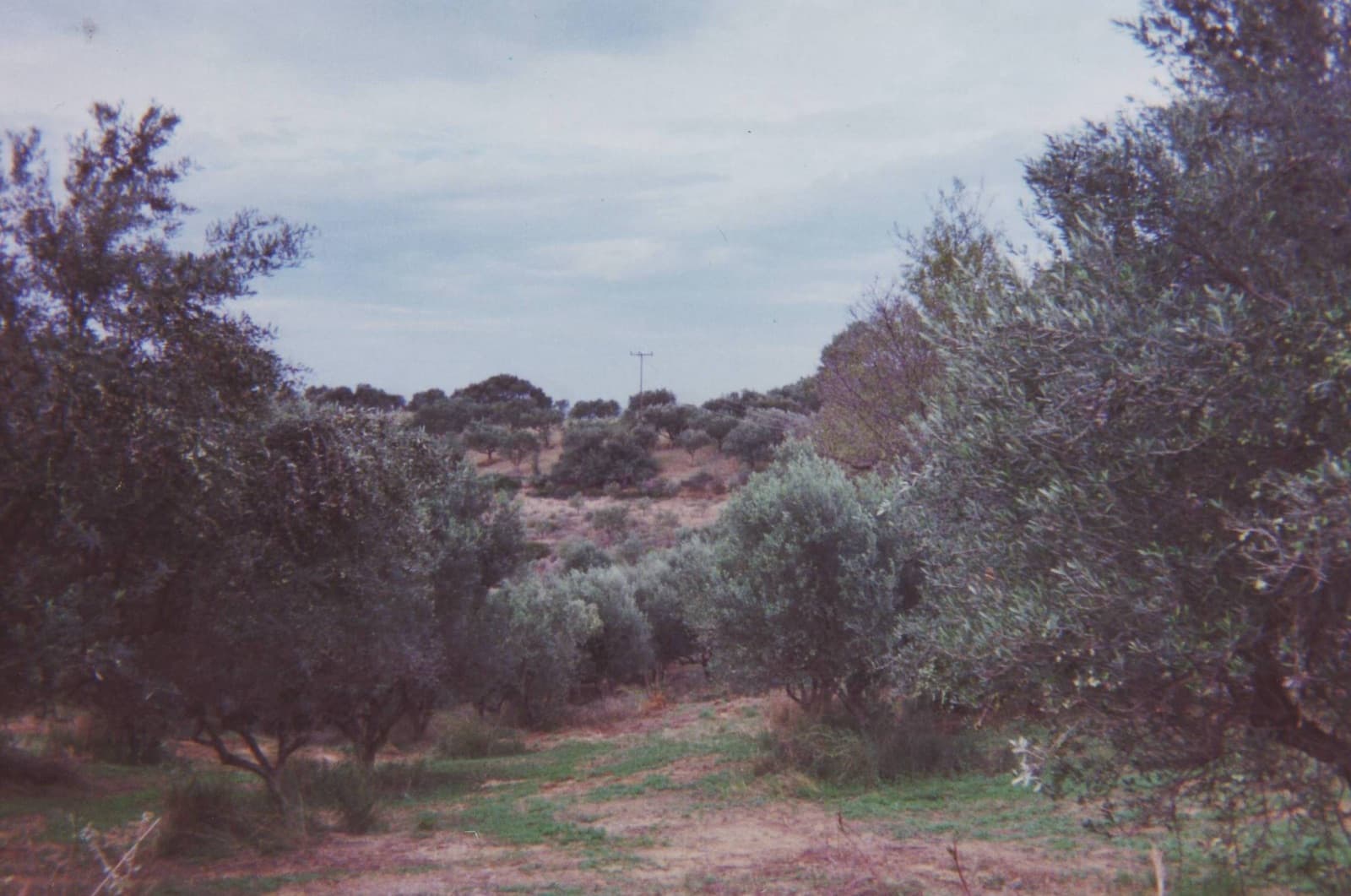
Euphoria Retreat
Wellness-focused boutique at the foot of Byzantine Mystras. Opened 2018. Proved that mainland Greece can support a premium, year-round wellness concept far from any beach.
The government will pay for more than half
Greece's Development Law 4887/2022 offers direct cash grants of up to 55–60% for small hotel projects in the Peloponnese. Stack it with EU structural funds, green energy programmes, and employment subsidies, and the numbers become hard to ignore.
Example: 20-room, 4-star boutique hotel in the Peloponnese, developed by a small enterprise. 56.5% of project costs covered. Based on Development Law 4887/2022 regional aid map and current ESPA 2021–2027 programme parameters.
The island moratorium changes everything
In July 2024, the Greek government suspended new hotel construction permits on Mykonos, Santorini, and parts of Rhodes and Crete. The stated goal: redirect investment to underdeveloped regions. The Peloponnese — and Messinia specifically — is now classified as a priority development zone for quality tourism. Scoring bonuses in Development Law evaluations already reflect this shift.
The traveler has already changed
Booking.com (2024): 73% of global travelers want experiences “representative of local culture.” In 2019, it was 58%. Unique-stay searches grew 45% year over year. The standardised hotel room is losing the plot.
The chains have noticed. Marriott acquired boutique properties into its Luxury Collection. Hyatt bought Mr & Mrs Smith in 2023 specifically to access independent luxury. Accor expanded MGallery. They're not building chain hotels in the Mediterranean — they're buying the boutique hotels that already won.
The Airbnb factor
Greece has 130,000+ active Airbnb listings. They cannibalized the mid-market — pensions and 2–3 star hotels. But they trained an entire generation to seek unique, local stays over standardized ones.
Boutique hotels are the professional response: the uniqueness of Airbnb with the reliability of a hotel. Greek regulation is tightening on short-term rentals (day caps, registration mandates), pushing quality-conscious travelers back toward licensed properties.
Who books boutique in Greece
Four coasts that made the same leap
Every one of them followed the same arc: an anchor investment created awareness, boutique properties filled in behind it, and land prices caught up to the new reality. The only variable was how long it took.
1.5 hrs from the capital, pristine coast, one anchor property proving the concept. Sound familiar?
Agricultural heritage repackaged as authenticity. Low-cost airlines created access. One mega-property anchored positioning.
Directly comparable — Aman created the destination, boutique properties filled the gaps behind it.
Film effect + infrastructure investment + boutique wave = complete destination transformation.
Messinia has a €1B resort and zero boutique hotels
Costa Navarino has over 1,000 five-star rooms. It spent fifteen years and close to a billion euros building destination awareness, lobbying for airline routes, and proving that Messinia works. The Westin, the Romanos, the W, and now the Mandarin Oriental.
Outside Costa Navarino, the accommodation landscape is family-run pensions at €80 a night and Airbnb apartments. The entire segment between €80 and €500 — exactly where boutique hotels thrive globally — is empty. Not thin. Empty.
For comparison: Crete has dozens of boutique properties in this range. The Cyclades have hundreds. Messinia has essentially none. In a mature destination, the anchor resort typically captures 30–40% of the luxury segment. In Messinia, Costa Navarino captures nearly 100%. That is an anomaly that will correct.
Land prices tell the story
Messinia is 5–20× cheaper than the Cyclades. In the Porto Heli pattern, these prices tripled in 10 years after the anchor resort opened. Costa Navarino opened in 2010.
Five forces arriving at the same time
The resort proved the model
Costa Navarino invested €1B+ over 15 years. Messinia is now a recognised luxury destination with international flights, a Mandarin Oriental, and a Condé Nast stamp.
The film amplifies it
Christopher Nolan's The Odyssey — filmed in Messinia, IMAX, the most commercially powerful cast assembled. The landscape IS the spectacle. July 2026.
The airport is expanding
Kalamata: 130K passengers (2015) to 550K+ (2024). Fraport + Constantakopoulos won the 40-year concession. Target: 700K by 2030. Doubled capacity.
The islands are full
Hotel moratorium on Mykonos, Santorini, parts of Crete and Rhodes. Government is actively redirecting investment — and grant scoring reflects it.
The subsidies are unprecedented
50–60% of project costs covered for small enterprises in the Peloponnese. Stack Development Law + ESPA + LEADER. This window won't last forever.
The window
Comporta had fifteen years before land prices caught up. Porto Heli had ten. Puglia had about the same. The Dalmatian coast moved faster — five to eight years — because Game of Thrones compressed the timeline.
Messinia has all the accelerants at once: a billion-euro resort already proven, an airport tripling capacity, a Nolan film about to release, an island moratorium pushing capital to the mainland, and government grants covering more than half the build cost.
And between the pine forest and the sand, the coast sits the way it has for three thousand years. Not because nobody noticed. Because nobody had all the pieces at the same time until now.
That's why developers are betting on boutique in Messinia. And that's why they're moving now.
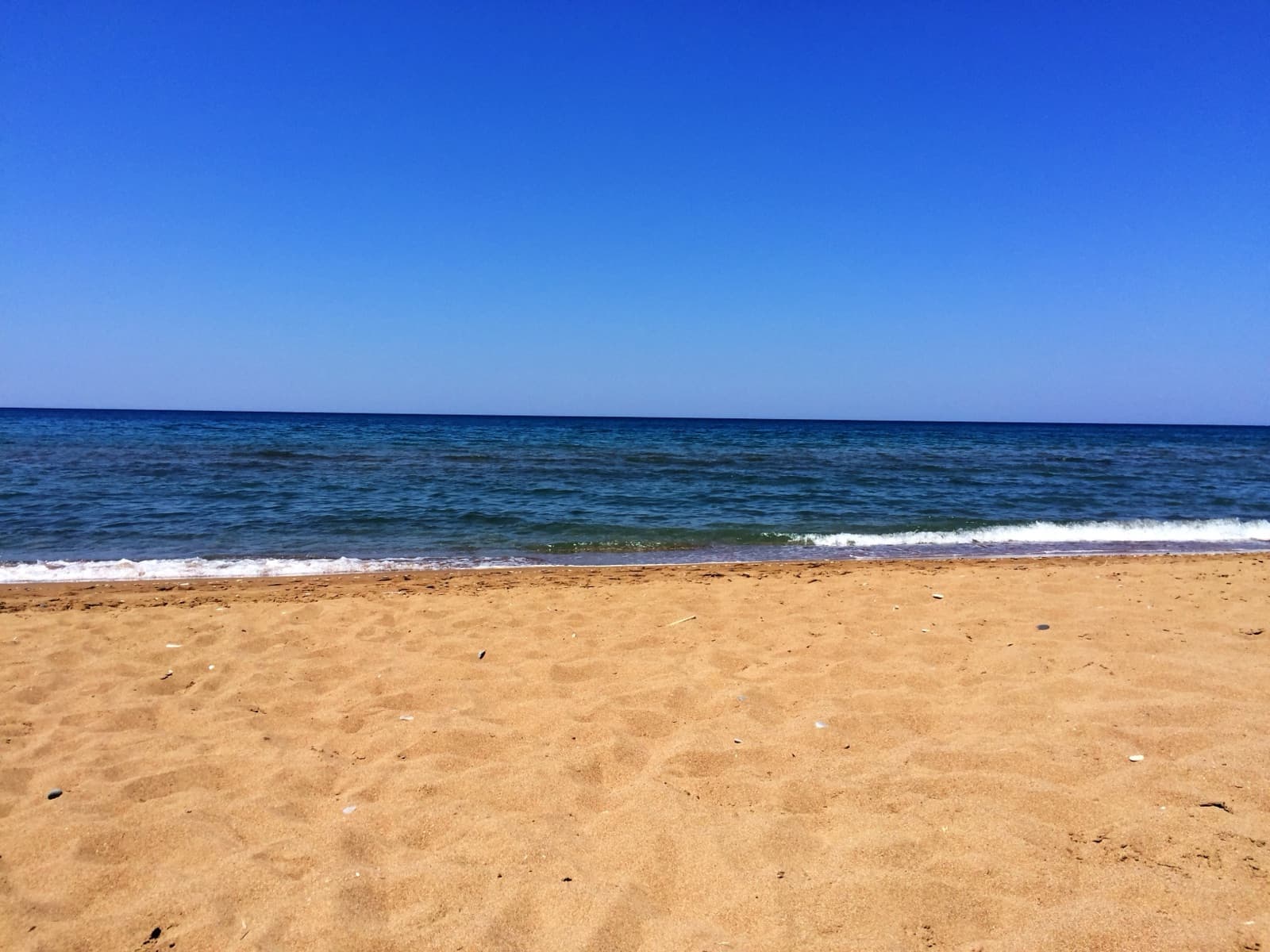
20,404 sqm of beachfront land. Centre of the undeveloped coast. All clearances verified.
Lagouvardos, Messinia.
Explore the opportunity